Home Modifications and Accessibility for Aging in Place
Sarah Jenkins
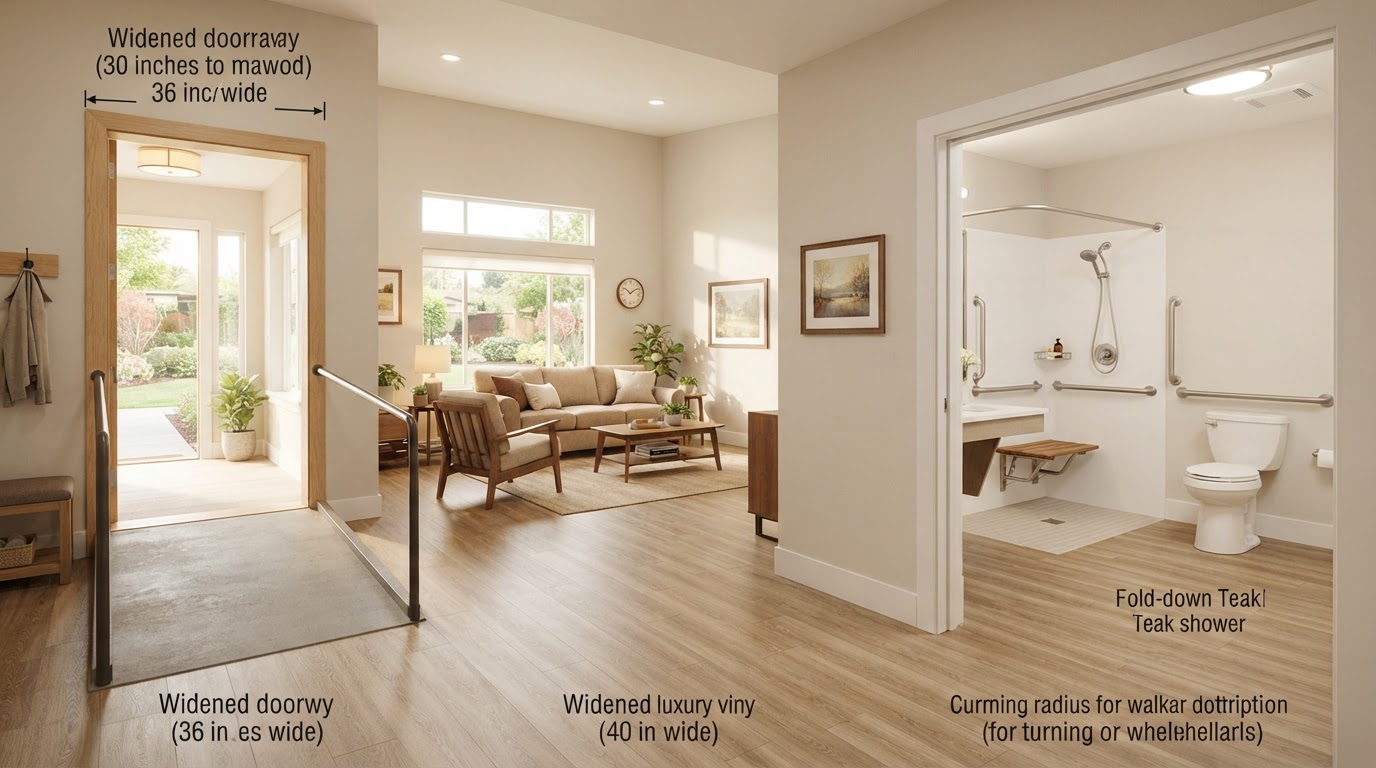
Most older adults say they want to age in place — to stay in the home they know, near the neighbors and memories that anchor them — for as long as they safely can. That wish is achievable for many families, but it almost never happens by accident. The home that fit a family perfectly at age forty can become quietly hazardous at seventy-five: a front step that was nothing becomes a tripping hazard, a narrow hallway turns a walker into a tight squeeze, and a standard bathroom becomes the room where most falls happen. Thoughtful home modifications are what bridge the gap between wanting to age in place and actually doing it safely. According to the Centers for Disease Control and Prevention, falls are the leading cause of injury among older adults, and most falls happen at home — which makes proactive accessibility changes one of the most meaningful investments a family can make. This guide walks through the modifications that matter most for seniors in Milwaukee and surrounding communities, and how in-home caregivers help make an accessible home genuinely livable.
Why Home Modifications Matter
Aging in place is not just a preference; it is tied to better outcomes. Older adults who remain in familiar surroundings often maintain better cognitive function, emotional well-being, and social connection than those who move to unfamiliar settings. But aging in place is only safe when the home keeps pace with changing needs. Vision dims, balance shifts, strength declines, and mobility narrows — sometimes gradually, sometimes suddenly after an illness or surgery. The home that was easy to navigate becomes an obstacle course.
Home modifications are the changes that adapt the environment to the person rather than expecting the person to adapt to the environment. Some are simple and inexpensive — a grab bar, a nightlight, a lever handle. Others are more involved — a stair lift, a walk-in shower, a ramped entrance. The goal is always the same: to reduce fall risk, preserve independence in daily activities, reduce the strain of caregiving, and make the home work for the senior now and as their needs change. The National Institute on Aging stresses that planning these changes proactively, before a fall or crisis forces them, is far better than reacting afterward.
Bathroom Safety: Where Most Falls Happen
The bathroom is the single most important room to modify, and for good reason: wet surfaces, hard fixtures, and the movements of bathing and toileting make it the most fall-prone space in the home. The first and most valuable change is installing grab bars — not just near the toilet, but strategically inside and outside the shower or tub, where water and motion combine. Grab bars must be anchored into wall studs, not just drywall, so they can actually bear weight; the suction-cup variety is not safe for this purpose.
Beyond grab bars, a walk-in shower or a tub with a low threshold removes the dangerous high step over the tub wall. A shower seat or bench lets a senior bathe seated, which dramatically reduces fall risk and fatigue. Non-slip mats inside and outside the shower, a handheld showerhead, and a raised toilet seat all make the room safer and more comfortable. Good lighting matters too, especially for seniors with vision changes. An in-home caregiver who helps with bathing and hygiene works alongside these modifications, providing the hands-on steadiness that lets a senior use an accessible bathroom safely and with dignity.
Entrances, Stairs, and Getting Around the Home
The path from the front door to the bedroom should be navigable, not just on a good day but on every day. At the entrance, a single step can become a real barrier for someone using a walker or recovering from surgery. A ramp — properly sloped and with handrails — makes the entrance usable again, whether for a wheelchair, a walker, or simply unsteady steps. Indoors, widened doorways and hallways accommodate walkers and wheelchairs, and lever-style door handles replace knobs that are hard to turn with stiff or arthritic hands.
Stairs deserve special attention. For a senior who struggles with steps, a stair lift can be the single change that keeps them in a beloved multi-story home. For others, reorganizing life onto a single floor — moving the bedroom downstairs, setting up a convenient bathroom, keeping daily essentials within easy reach — can eliminate the need to climb stairs at all. Removing tripping hazards like loose rugs, cluttered walkways, and trailing cords is a small change with a large safety payoff. Our guide to creating a safe home environment covers the broader fall-prevention habits that complement these structural changes.
Lighting, Flooring, and the Everyday Details
Good lighting is one of the most underestimated accessibility features. Aging eyes need more light, and they adjust more slowly to changes between bright and dim. Motion-sensor lights along hallways, bright task lighting in the kitchen and bath, and nightlights on the path from bed to bathroom all reduce the chance of a fall. Contrast helps too — light switches, thresholds, and the edges of steps are easier to see when they contrast with the surrounding surface.
Flooring is the other everyday detail that quietly shapes safety. Loose rugs are among the most common causes of falls in the home and should be removed or firmly secured. Low-pile, firm flooring is easier for walkers and wheelchairs to move across, and non-slip surfaces in kitchens and bathrooms prevent slips. Small changes add up: rearranging furniture to create wide, clear paths; keeping frequently used items at waist height to avoid bending and reaching; and removing clutter that narrows a hallway or catches a foot. Our housekeeping support helps families keep these clear, safe pathways consistent day to day, which is harder than it sounds when mobility makes cleaning tiring.
Kitchens and Daily Independence
The kitchen is where accessible design supports not just safety but independence. Lowering counters, pull-down shelves, and easy-grip handles let a senior continue to participate in meal preparation for as long as they can — which is about dignity and purpose as much as food. Moving frequently used items to the most accessible cabinets, installing task lighting, and using appliances with large, clear controls all keep a senior engaged in their own routine.
When cooking becomes genuinely difficult, that is where in-home support picks up. Our meal preparation support keeps nutrition on track, and our daily living assistance helps with the broader kitchen and household tasks that keep a senior independent in the home they have made accessible.
Planning Modifications Before a Crisis
The biggest mistake families make with home modifications is waiting. Changes made proactively — before a fall, before a hospitalization, before a loved one simply stops using a room because it has become too difficult — are far more effective and far less stressful than those made in a rush. A good plan starts with a walk-through of the home with the senior's current and likely future needs in mind: which entrances are used, where the fall risks are, which rooms matter most, and what would have to change for the home to work if mobility or vision declined.
It helps to think in phases. Simple, low-cost changes — grab bars, non-slip mats, improved lighting, removed rugs — can happen right away. More involved changes — a walk-in shower, a ramp, a stair lift — can be planned and budgeted as needs grow. And a plan that pairs the right physical modifications with the right in-home caregiver support is the one that truly works, because an accessible home still needs an attentive person to make the most of it each day.
Expert Guidance and Local Support
The Centers for Disease Control and Prevention offers practical guidance on fall prevention and home safety for older adults (cdc.gov), and the National Institute on Aging provides resources on aging in place, home modifications, and planning for changing needs (nia.nih.gov). If your loved one is planning to age in place and could use dependable in-home support, our daily living care and Greater Milwaukee caregivers are here to help them stay safely at home.
Conclusion
Aging in place is one of the most personal goals a family can pursue, and it is one of the most achievable — when the home is made to fit the person, and the right support is in place to make that home genuinely livable. Thoughtful modifications, from a grab bar in the bathroom to a ramp at the front door, prevent the falls that cost seniors their independence. The right lighting, flooring, and layout keep the everyday environment safe. And the steady presence of a trained in-home caregiver turns an accessible house into a home that works, day after day. The most important step is planning ahead, so that the changes and the support are in place before they are urgently needed. With the right modifications and the right help, older adults can stay where they want to be — comfortably, safely, and independently at home.