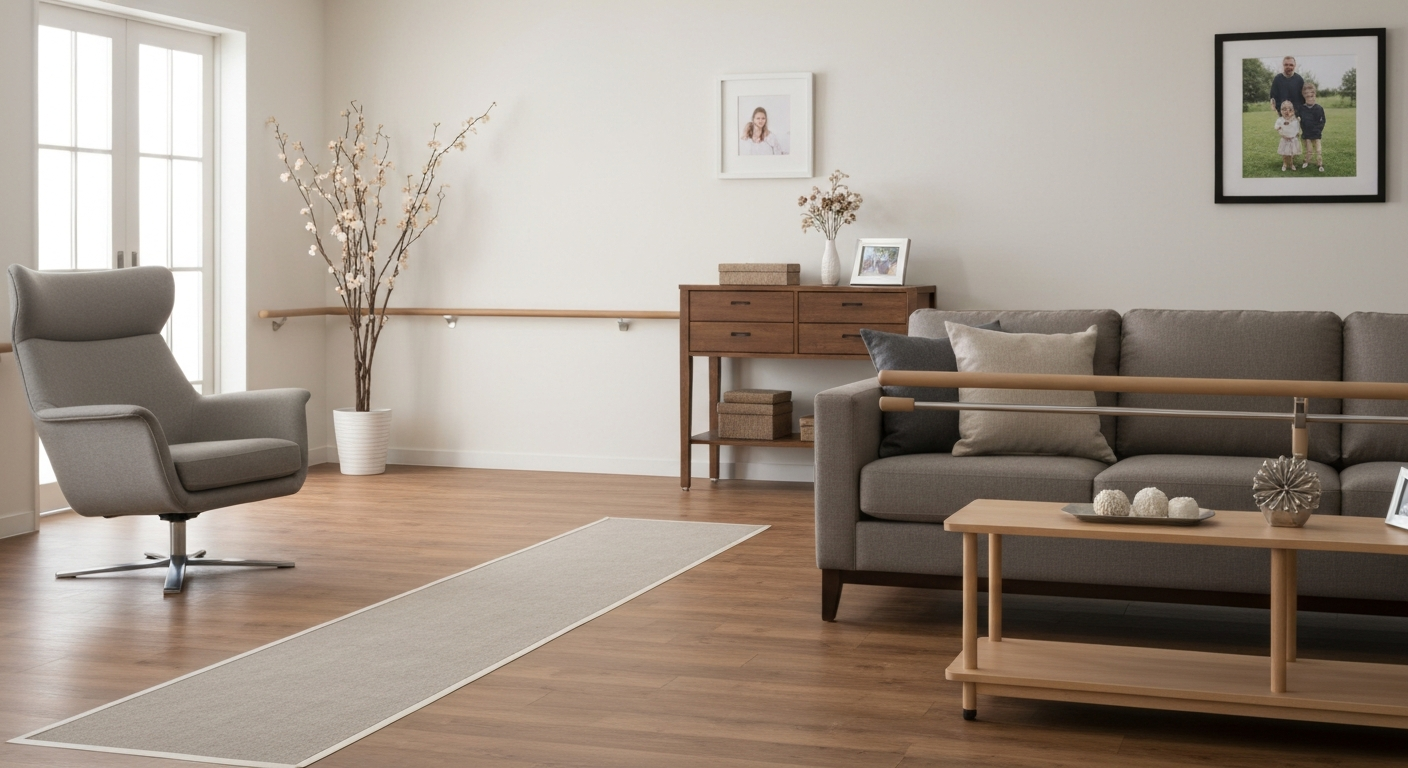
For most seniors, the home represents independence, comfort, and a lifetime of memories. However, as physical abilities change with age, this familiar environment can quietly become a landscape of hidden hazards. According to the Centers for Disease Control and Prevention (CDC), falls are the leading cause of fatal and non-fatal injuries among older adults. A single fall can result in fractures, head trauma, and a rapid decline in independence. The good news? The vast majority of falls are entirely preventable through proactive home modifications and lifestyle adjustments.
Understanding the Risk Factors
Before we can effectively prevent falls, we must understand why they happen. Fall risk is usually a combination of personal (intrinsic) factors and environmental (extrinsic) factors. Identifying these risks early is the first step in creating a safer living space.
- •Physical Changes: Decreased muscle strength (especially in the legs and core), poor balance, and slower reaction times are natural parts of aging that increase vulnerability. Conditions like arthritis can also limit range of motion and joint stability, making it harder to recover from a minor stumble.
- •Vision Impairment: Conditions like cataracts, glaucoma, or macular degeneration reduce depth perception and the ability to see contrast, making it hard to spot tripping hazards like a black dog on a dark rug, a clear glass coffee table, or the edge of a step.
- •Medications: Many common prescriptions (blood pressure drugs, sedatives, antidepressants, and even over-the-counter sleep aids) can cause dizziness, drowsiness, or sudden drops in blood pressure upon standing (orthostatic hypotension).
- •Environmental Hazards: Clutter, poor lighting, loose rugs, uneven thresholds, and lack of support structures in critical areas like the bathroom or narrow hallways contribute to the majority of in-home falls.
Room-by-Room Safety Assessment and Modifications
A systematic approach to home safety is the most effective way to eliminate risks. Let's walk through the home and identify key areas for improvement. This "safety audit" should be conducted at least once a year, or whenever the senior experiences a change in health status.
1. Living Areas, Hallways, and Stairs
These are the high-traffic zones where many trips and stumbles occur. The goal here is to create clear, well-lit, and unobstructed pathways throughout the day and night.
- Clear the Clutter: Keep floors free of books, papers, shoes, and pet toys. Ensure that low-profile furniture (like coffee tables or footstools) is not obstructing main walkways. If possible, create a 36-inch wide clear path through every room to accommodate walkers or wheelchairs if needed.
- Tame the Cords: Secure electrical and telephone cords along the baseboards, away from walking paths. Use cord covers or tape if necessary, but never run cords under rugs as this creates a fire hazard and a hidden trip hazard.
- Rethink Rugs: Throw rugs are a major tripping hazard. It is safest to remove them entirely. If they must remain, secure them with heavy-duty double-sided tape or slip-resistant backing. Ensure the edges are not curled up, as even a quarter-inch lip can catch a shuffling shoe.
- Master the Stairs: Ensure staircases have sturdy, easy-to-grip handrails on both sides. Keep stairs completely clear of objects. Consider adding brightly colored tape to the edge of each step to improve visibility. Ensure the lighting is bright at both the top and bottom of the staircase.
- Optimize Lighting: Replace dim bulbs with brighter, energy-efficient ones. Ensure light switches are accessible at both the top and bottom of stairs, and at the entrance to every room. Consider motion-sensor lights for hallways so seniors never have to fumble for a switch in the dark.
2. The Bathroom: The Most Dangerous Room
Hard surfaces combined with water make the bathroom the site of the most severe household falls. Modifications here are non-negotiable for senior safety and dignity.
- Install Grab Bars: Sturdy grab bars (anchored securely into the wall studs, not just drywall) must be installed inside the shower or tub, and next to the toilet. Never use towel racks for support; they are not designed to hold human weight and will pull out of the wall.
- Non-Slip Surfaces: Place non-slip rubber mats or apply anti-slip decals to the floor of the shower or bathtub. Use a heavy, non-slip bath mat outside the tub to step onto, and ensure it is laundered regularly to maintain its grip.
- Seating Options: A shower chair or bench allows seniors to bathe safely while seated, reducing fatigue and the risk of slipping while reaching for soap or shampoo or washing their feet.
- Raised Toilet Seats: Adding a raised seat or a frame with armrests makes sitting down and standing up much easier and safer for those with limited leg strength, severe arthritis, or balance issues.
3. The Kitchen
The kitchen presents risks related to reaching, bending, and slippery floors. Efficiency in organization can drastically reduce these risks.
- Accessible Storage: Move frequently used items (everyday dishes, favorite foods, medications) to waist-high shelves or countertops. Avoid the need to use step stools or to bend down low into deep cabinets, which can cause dizziness.
- Spill Management: Wipe up any liquid or food spills immediately to prevent slipping on hard kitchen floors. Keep a mop or absorbent cloth within easy reach.
- Safe Seating: Ensure kitchen chairs are stable, have armrests to aid in standing, and are not on wheels. A sturdy stool can also be helpful for those who need to sit while preparing food or washing dishes.
4. The Bedroom
Many falls happen at night when getting out of bed to use the restroom in a hurry. The transition from sleep to standing can cause temporary dizziness.
- Nighttime Navigation: Install motion-sensor nightlights along the path from the bed to the bathroom. Keep a lamp within easy reach of the bed so the senior never has to walk in the dark.
- Bed Height: The bed should be at a height where the senior can sit on the edge with their feet flat on the floor and knees at a 90-degree angle. If it's too high, it's hard to get in; if it's too low, it's incredibly hard to get out.
- Clear the Floor: Ensure no clothing, blankets, or slippers are left on the floor near the bed. Keep a clear, wide path to the bedroom door.
The Role of Assistive Devices
Many seniors resist using canes or walkers because they feel it makes them look "old" or frail. However, using the right assistive device correctly is one of the best ways to maintain independence and stay active. It is crucial that a physical therapist sizes the device properly; a walker that is too high or a cane that is too low can actually worsen balance and posture. Encourage the consistent use of these devices, especially when navigating uneven terrain outdoors or during days when they feel particularly fatigued.
Personal Habits and Health Management
Environmental changes must be paired with healthy personal habits to maximize fall prevention. Safety is a lifestyle, not just a set of physical modifications.
Footwear Matters
Walking barefoot or in socks (especially on hardwood or tile) is highly dangerous. Seniors should wear sturdy, well-fitting shoes with non-skid soles, both indoors and outdoors. Avoid backless slippers, high heels, or shoes with slick leather soles. If slippers are preferred indoors, ensure they have a full back, an adjustable closure, and a solid rubber sole.
Medication Reviews and Vision Checks
Seniors should have their medications reviewed annually by a doctor or pharmacist to identify any drugs or combinations that increase fall risk. If dizziness or lightheadedness occurs when standing up, it must be reported immediately. Similarly, annual eye exams are crucial to ensure prescriptions are up-to-date and conditions like cataracts or glaucoma are properly managed, ensuring the senior can accurately navigate their environment.
Physical Activity and Balance Training
The phrase "use it or lose it" applies perfectly to balance and muscle strength. Engaging in regular physical activity designed to improve balance, coordination, and leg strength is one of the most effective fall prevention strategies. Programs like Tai Chi, water aerobics, or simple chair exercises have been proven to significantly reduce the risk of falling by strengthening the core and improving proprioception (the body's awareness of its position in space).
Expert Guidance and Local Support
For more comprehensive information on preventing falls among older adults, we recommend reviewing the guidelines provided by the Centers for Disease Control and Prevention (CDC). If you or a loved one need personalized assistance, our housekeeping services in Brookfield and surrounding areas are designed to provide the highest quality of care tailored to your unique needs.
Conclusion
Identifying every potential hazard can be overwhelming for families. Our professional care coordinators are trained to conduct comprehensive, in-home safety assessments. We can identify hidden risks, recommend specific modifications, and provide the daily assistance needed to ensure your loved one remains safe, confident, and independent in their own home. At Med Group Home Health Care, we don't just provide care; we provide peace of mind to families in Mequon and surrounding areas.