Transportation and Mobility for Seniors at Home
Sarah Jenkins
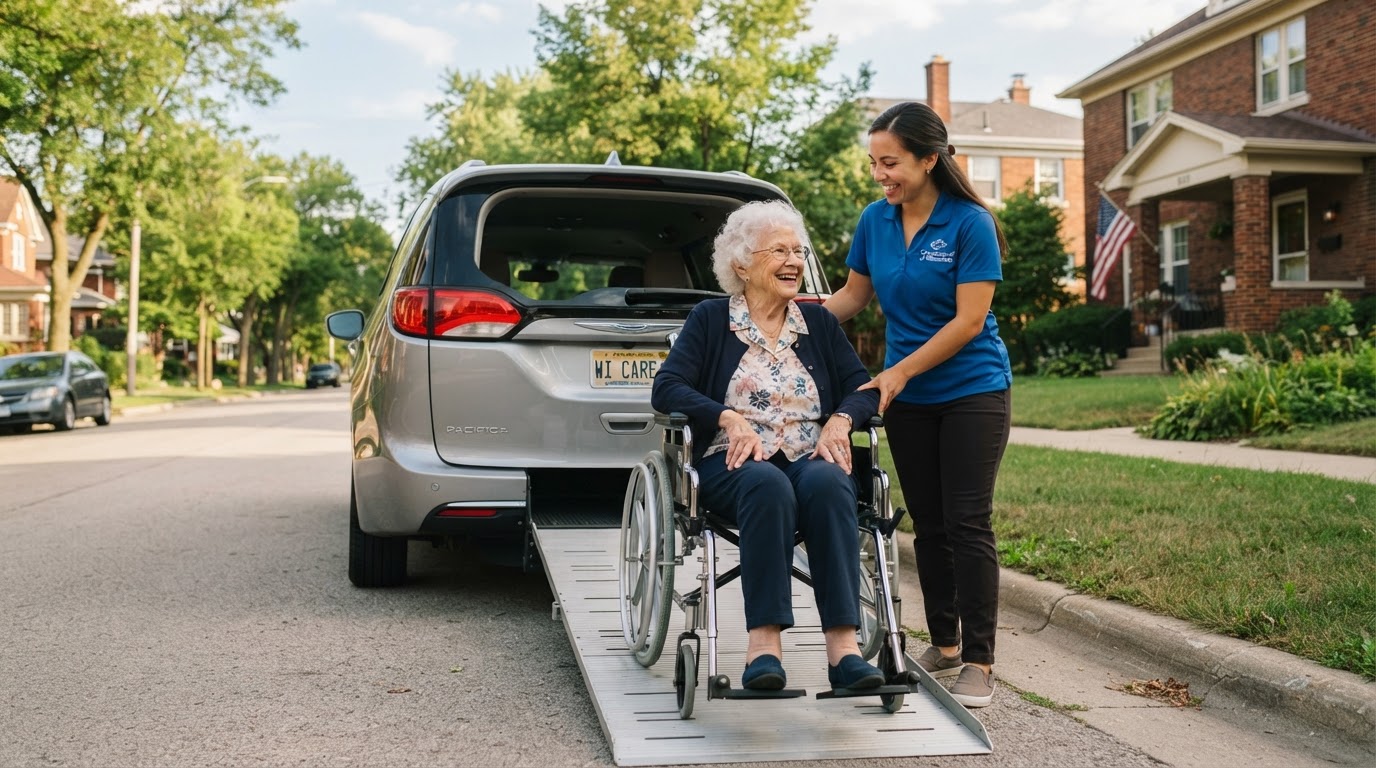
For many older adults, the hardest part of aging is not a diagnosis — it is the slow narrowing of where they can go and how they get there. Driving becomes difficult, then impossible. A bus stop that felt close at fifty feels impossibly far at eighty. A routine trip to the doctor or the grocery store turns into a logistical puzzle that a family has to solve again and again. When transportation fades, so does independence, and so does health: missed appointments, unfilled prescriptions, and a quiet withdrawal from the community. The Centers for Disease Control and Prevention notes that older adults who stop driving make fewer trips to medical care and report more health problems and depression. This guide explains how families in Milwaukee and surrounding communities can keep a senior mobile and connected — and how in-home caregivers help bridge the gap between home and the world outside.
Why Transportation Is a Health Issue
Transportation is easy to take for granted until it is gone. For a working adult, a car is convenience. For a senior who no longer drives, reliable transportation is access to everything that keeps them well: the cardiologist who monitors a heart condition, the pharmacy that fills a prescription, the grocery store where fresh food is bought, and the community center where a friend is waiting. When those trips stop happening, health quietly declines.
Research from the National Aging and Disability Transportation Center shows that older adults who lack transportation options make 15% fewer trips to the doctor and 65% fewer trips for social, family, and religious activities. The effects compound: a missed checkup becomes an undiagnosed problem, an unfilled prescription becomes a worsening condition, and a missed gathering becomes isolation. Helping a senior stay mobile is therefore one of the most concrete ways to protect both physical and mental health.
Safe Transfers and In-Home Mobility
Mobility begins inside the home. Before a senior can get to an appointment, they have to get from the bed to the chair, from the chair to the bathroom, and from the house to the car. Each of these transfers is a moment where balance can fail and a fall can happen. An in-home caregiver trained in safe transfer techniques — using a gait belt, positioning a walker, bracing a stand-and-pivot — turns these moments from risky into routine.
Good mobility support also means matching the right equipment to the person. A walker that is too tall, a cane that is too short, or a wheelchair that does not fit turns a helpful tool into a hazard. Caregivers help ensure mobility aids are adjusted correctly, used consistently, and kept within reach. This kind of attentive, hands-on support is the foundation of our daily living assistance, which keeps seniors moving safely through their own homes every day.
Getting to Appointments and Errands
Beyond the home, the most common transportation need is getting to medical appointments. A caregiver who accompanies a senior to the doctor does more than drive. They help with the physical demands of the trip — getting in and out of the vehicle, navigating the parking lot and the clinic hallways — and they provide the cognitive support that makes the visit productive: taking notes, asking questions, and making sure instructions are understood and remembered.
Errands are the other half of staying independent. Grocery shopping, picking up prescriptions, going to the bank, and visiting the post office are the errands that keep a household running and a senior engaged with their community. Our errands and shopping support helps Milwaukee-area seniors keep these everyday trips on the calendar, so a lack of transportation never becomes a lack of groceries or a missed medication refill.
Community Transportation Options in Milwaukee
Families in the Milwaukee area have access to several transportation resources that can complement in-home care. The Milwaukee County Transit System (MCTS) offers reduced fares for older adults and seniors, and paratransit services are available for those who cannot use the regular bus. Many communities also have volunteer driver programs through senior centers and faith-based organizations that provide rides to medical appointments.
For seniors who qualify, Wisconsin's Medicaid programs may cover non-emergency medical transportation (NEMT) to and from covered appointments. Our team helps families understand these options and coordinate them with in-home caregiver support, so transportation is reliable rather than a constant source of stress. A caregiver can meet a senior at home, help them prepare for the trip, ride along or follow in a separate vehicle, and make sure the whole outing goes smoothly.
Staying Connected to the Community
Transportation is not only about errands and appointments. It is about staying connected to the people and places that make life meaningful. A ride to a grandchild's birthday, a trip to a weekly card game, a visit to a place of worship, or an outing to a favorite park — these are the trips that protect against the loneliness that affects roughly one in three older adults. The National Institute on Aging links social isolation to higher rates of heart disease, depression, and cognitive decline, which makes staying connected a health priority, not a luxury.
Our companionship care often includes exactly these kinds of outings, pairing a senior with a caregiver who provides both the company and the practical help that makes getting out possible again. A familiar, trustworthy companion turns a daunting trip into something to look forward to.
Planning Ahead for Changing Mobility
The best transportation plan is one made before a crisis forces it. When a senior is still driving comfortably, that is the time to have an honest conversation about what will change and to begin building a network of alternatives — family who can help, community programs to register for, and an in-home care team that can step in. Waiting until after a fender bender or a missed appointment makes the transition harder and more frightening for everyone.
It also helps to think about transportation as part of a larger care plan rather than a separate problem. The caregiver who helps with morning routines, meal preparation, and medication reminders is often the same person best positioned to help with the day's outing, because they already know the senior's needs, energy level, and preferences. Coordinated care keeps the day moving smoothly from home to appointment and back again.
Expert Guidance and Local Support
The Centers for Disease Control and Prevention offers guidance on older driver safety and the health effects of reduced mobility (cdc.gov), and the National Institute on Aging provides resources on staying connected and managing changes in mobility (nia.nih.gov). If your loved one in Milwaukee or the surrounding area is struggling with transportation and mobility, our errands support and Greater Milwaukee caregivers are here to help them stay mobile, independent, and connected.
Conclusion
Transportation and mobility are the connective tissue of independence. When a senior can get where they need to go — to the doctor, the store, and the people they love — they stay healthier, more engaged, and more themselves. Losing the ability to drive does not have to mean losing the ability to live fully. With safe in-home transfers, reliable rides to appointments and errands, community resources, and the steady support of a caregiver who knows the whole routine, older adults can keep moving through the world with confidence. The goal is never just a ride; it is the freedom, health, and connection that a ride makes possible.