Managing Holiday Stress for Seniors and Caregivers
Sarah Jenkins
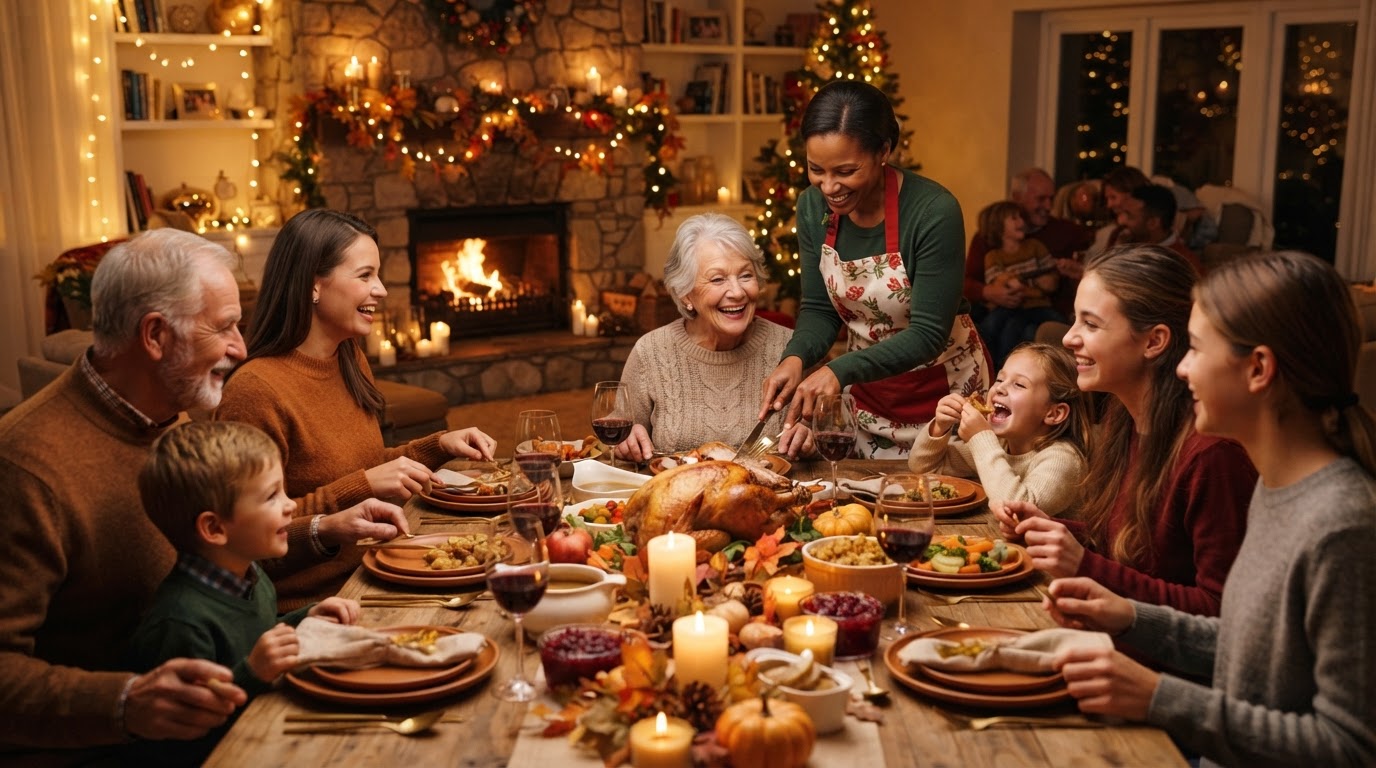
The holidays are supposed to be the most wonderful time of the year, but for many older adults and the families who care for them, they can also be the most exhausting. Schedules fill, expectations rise, and the gap between what a holiday once was and what it is now can feel enormous. A senior who once hosted twenty guests may now struggle to attend one gathering. A caregiver who already feels stretched thin faces weeks of extra cooking, shopping, and emotional labor on top of everything else. And beneath the surface, the holidays often stir up grief for the people and traditions that are no longer here. The good news is that holiday stress is not inevitable — it is something a family can plan for and soften. This guide offers practical ways for families in Milwaukee and surrounding communities to reduce holiday stress for both seniors and caregivers, so the season can be about connection rather than exhaustion.
Why the Holidays Are Harder for Seniors
Holiday stress in older adults often hides in plain sight. The most obvious source is physical: disrupted routines, late nights, rich foods, and crowded gatherings can be genuinely taxing for a body that does not bounce back the way it once did. A senior with a heart condition, diabetes, or limited mobility may feel worn down by activities that look joyful from the outside. Cold Wisconsin weather adds another layer, narrowing the days and making outings harder.
The less obvious source is emotional. The holidays are loaded with memory, and for a senior who has lost a spouse, siblings, or lifelong friends, the season can reopen grief that was quietly managed the rest of the year. There is also the grief of changing roles — the parent who once organized everything now needing help, the host who is now a guest. The National Institute on Aging notes that feelings of sadness and loneliness often intensify for older adults during the holidays, and that these feelings deserve attention rather than being dismissed as "just the season."
Simplify and Right-Size Traditions
One of the most effective ways to reduce holiday stress is to let go of the idea that every tradition must continue exactly as it always has. The point of a tradition is the connection it creates, not the exact form it takes. A family that always hosted a large dinner might find that a smaller, potluck-style gathering — or even a catered meal — preserves the togetherness while removing the exhaustion.
Talk with your loved one about which parts of the holiday matter most to them. You may be surprised: the thing they cherish might be a single dish, a certain carol, or simply having everyone together, not the elaborate production the family has been maintaining. Focusing energy on the few things that truly matter lets the rest go without guilt. Our meal preparation support can also take the cooking off a family's plate entirely, so the holiday is about being present rather than being in the kitchen.
Protect the Routine That Keeps Them Well
Holidays disrupt routines, and for seniors, routines are protective. Medication schedules slip when meals shift. Sleep suffers when gatherings run late. Blood sugar becomes harder to manage when treats are everywhere. A senior who feels "off" after the holidays is often a senior whose routine was quietly undone for weeks.
The fix is to build the holiday around the routine, not the other way around. Keep medication times consistent, protect regular meals and hydration, and plan gatherings at a time of day when your loved one has the most energy — often late morning or midday rather than evening. Consistency is one of the most important factors in senior well-being, as we explain in our guide to the role of routine in senior care. An in-home caregiver helps hold that routine steady even when the household is busy, which is exactly when it matters most.
Supporting the Family Caregiver
Family caregivers are often the silent casualties of the holidays. The same person who provides daily care is usually the one expected to cook, host, shop, and keep everyone happy, and the result is a season of burnout on top of year-round burnout. If you are that caregiver, the most important thing you can do is ask for help before you are overwhelmed, not after.
Respite care is one of the most valuable tools during the holidays. A professional caregiver can step in for a few hours, a day, or a longer stretch so a family caregiver can rest, travel, or simply enjoy the holiday as a family member rather than a provider. Our respite care services give Milwaukee-area families the breathing room that turns a stressful season into a sustainable one. Giving yourself permission to use that support is not a failure — it is the thing that lets you keep caring well into the new year.
Making Gatherings Accessible and Welcoming
A gathering that does not account for a senior's needs can end up excluding them even when everyone means well. A few adjustments make a big difference. Choose a location that is accessible — ideally the senior's own home, where they are most comfortable and where mobility aids and routines are already in place. If traveling to another home, make sure there is a comfortable seat, a clear path for a walker or wheelchair, and a quiet room where they can rest if the noise or crowd becomes too much.
For a senior with dementia or cognitive changes, large gatherings can be especially disorienting. Keep introductions gentle, avoid correcting or quizzing, and assign one person to stay close and offer quiet reassurance. Our dementia support guide offers more on creating calm, supportive environments. The goal is inclusion on the senior's terms, not on a schedule that exhausts them.
Honoring Grief and Loneliness
Not every senior has a table full of family, and even those who do may feel the absence of people who are no longer there. Loneliness among older adults is a serious health risk, linked by the Centers for Disease Control and Prevention to higher rates of depression, anxiety, and even early death. The holidays can amplify that loneliness painfully.
Small gestures matter more than grand ones. A regular visit, a phone call on the holiday itself, an invitation to a smaller gathering — these are the things that reach a senior who is alone. For families who cannot be nearby, an in-home caregiver provides steady companionship through the season, someone to share a meal with, to talk to, and to make the day feel less empty. Our companionship care exists for exactly these moments.
Expert Guidance and Local Support
The National Institute on Aging offers guidance on coping with grief and loneliness during the holidays (nia.nih.gov), and the Centers for Disease Control and Prevention provides resources on social connection and older adult health (cdc.gov). If your family in Milwaukee or the surrounding area needs extra support this season, our respite care and Greater Milwaukee caregivers are here to help make the holidays calmer and more connected.
Conclusion
The holidays do not have to be a season of stress and exhaustion for seniors or the people who love them. By simplifying traditions, protecting the routines that keep a senior well, supporting the family caregiver, making gatherings accessible, and honoring the grief that the season can stir, a family can reclaim the holidays as a time of genuine connection. None of this requires doing more — it requires doing what matters most, and letting the rest go. With a little planning and the right support, older adults can enjoy the season on their own terms, and the families who care for them can enjoy it too.