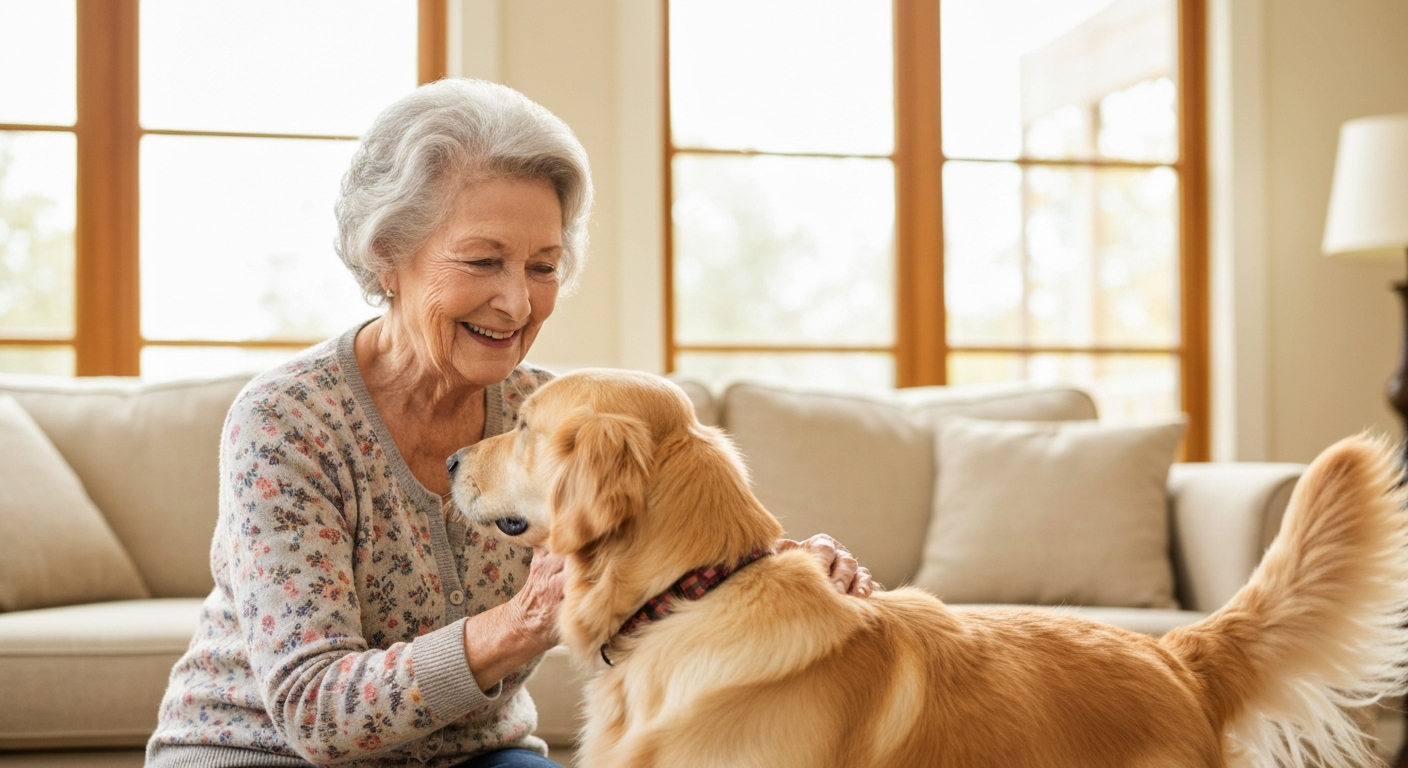
The bond between humans and animals is profound, offering incredible therapeutic benefits, particularly for older adults. Pet therapy, also known as animal-assisted therapy, involves guided interactions between seniors and trained animals. This practice has been shown to significantly enhance physical, emotional, and cognitive well-being.
1. Emotional and Psychological Benefits
One of the most immediate effects of spending time with an animal is a boost in mood. Interacting with a friendly pet releases endorphins—the brain's feel-good chemicals—which can quickly alleviate feelings of depression and anxiety. For seniors who may be experiencing loneliness or isolation, a therapy animal provides comforting, non-judgmental companionship that can brighten their entire day. The simple act of stroking a pet's fur has been proven to trigger the release of oxytocin, the "bonding hormone," which promotes a deep sense of calm and emotional security. In many cases, seniors who have recently lost a spouse or close friends find that the unconditional love of an animal helps fill the emotional void, offering a renewed sense of purpose and joy.
2. Physical Health Improvements
The benefits of pet therapy aren't just emotional; they are intensely physical. Studies have shown that the simple act of petting a dog or cat can lower blood pressure and reduce heart rate. Furthermore, the physical interaction involved in playing with or grooming an animal can help improve motor skills and encourage gentle, sustained physical activity, which is vital for maintaining mobility. For example, tossing a ball, brushing a dog's coat, or taking a short walk with a therapy animal can provide much-needed cardiovascular exercise and joint flexibility without feeling like a chore. Over time, these small bursts of activity contribute to better overall stamina, improved balance, and a reduced risk of cardiovascular diseases.
3. Cognitive Stimulation and Memory Care
For seniors living with dementia or Alzheimer's disease, pet therapy can be particularly transformative. Animals can stimulate memories and encourage communication in individuals who might otherwise be withdrawn. The presence of a calm animal can soothe agitation and provide a focal point that helps ground seniors in the present moment, improving their overall cognitive engagement. Often, interacting with a pet will trigger long-forgotten memories of childhood pets, prompting seniors to share stories and engage in conversations they might not otherwise initiate. This cognitive stimulation is invaluable for maintaining neural pathways and slowing the progression of memory-related conditions.
4. Fostering Social Interaction and Community
Therapy animals act as wonderful social catalysts. In group settings or during walks, a pet naturally draws people together, sparking conversations and shared smiles. This increased social interaction helps seniors feel more connected to their community and reduces the pervasive sense of isolation that can often accompany aging. Whether it's chatting with a caregiver about the animal's antics or bonding with other seniors over a shared love of dogs, the presence of a pet breaks down social barriers. It provides a neutral, positive topic of conversation that makes socializing feel effortless and enjoyable.
5. Reducing Anxiety and Agitation
Many seniors, particularly those with cognitive impairments, experience periods of severe anxiety or "sundowning" (increased agitation in the late afternoon and evening). The steady, calming presence of a therapy animal can act as a natural grounding mechanism. The rhythmic breathing and warm body of a resting dog or purring cat can help synchronize a senior's own breathing, leading to a profound reduction in physical tension and emotional distress. This non-pharmacological approach to anxiety management is highly effective and completely free of side effects.
6. Creating a Sense of Routine and Responsibility
While full-time pet ownership might be too demanding, even scheduled visits from a therapy animal can introduce a positive routine into a senior's life. Looking forward to a weekly visit gives seniors something to anticipate, breaking up the monotony of long days. During the visit, being tasked with giving the animal a treat or brushing its fur instills a sense of responsibility and usefulness. Feeling needed is a powerful psychological motivator that significantly boosts self-esteem and the desire to stay active and engaged.
7. How to Integrate Pet Therapy
If a senior is unable to care for a pet full-time, pet therapy programs offer a perfect solution. Many local organizations, including some home health agencies, can arrange for certified therapy animals to visit seniors in their homes. These visits can be scheduled regularly, ensuring that the senior reaps the ongoing benefits of animal companionship without the physical and financial responsibilities of full-time pet ownership. Families can also consider adopting low-maintenance pets like fish or small birds, which still provide visual and auditory stimulation, or utilizing robotic therapy pets that mimic the sounds and movements of real animals for those with severe allergies or physical limitations.
Expert Guidance and Local Support
For more comprehensive information on the power of human-animal interaction, we recommend reviewing the guidelines provided by the National Institutes of Health (NIH). If you or a loved one need personalized assistance, our companionship care services in Wauwatosa and surrounding areas are designed to provide the highest quality of care tailored to your unique needs.
Conclusion
Pet therapy is a beautiful and effective way to enhance the quality of life for seniors, offering profound emotional comfort and tangible physical health benefits. At Med Group Home Health Care, we understand the importance of holistic well-being and companionship. Contact us today to learn more about how our personalized in-home care services can support a vibrant, joyful life for your loved ones.