Building Healthy Daily Routines for Seniors at Home
Sarah Jenkins
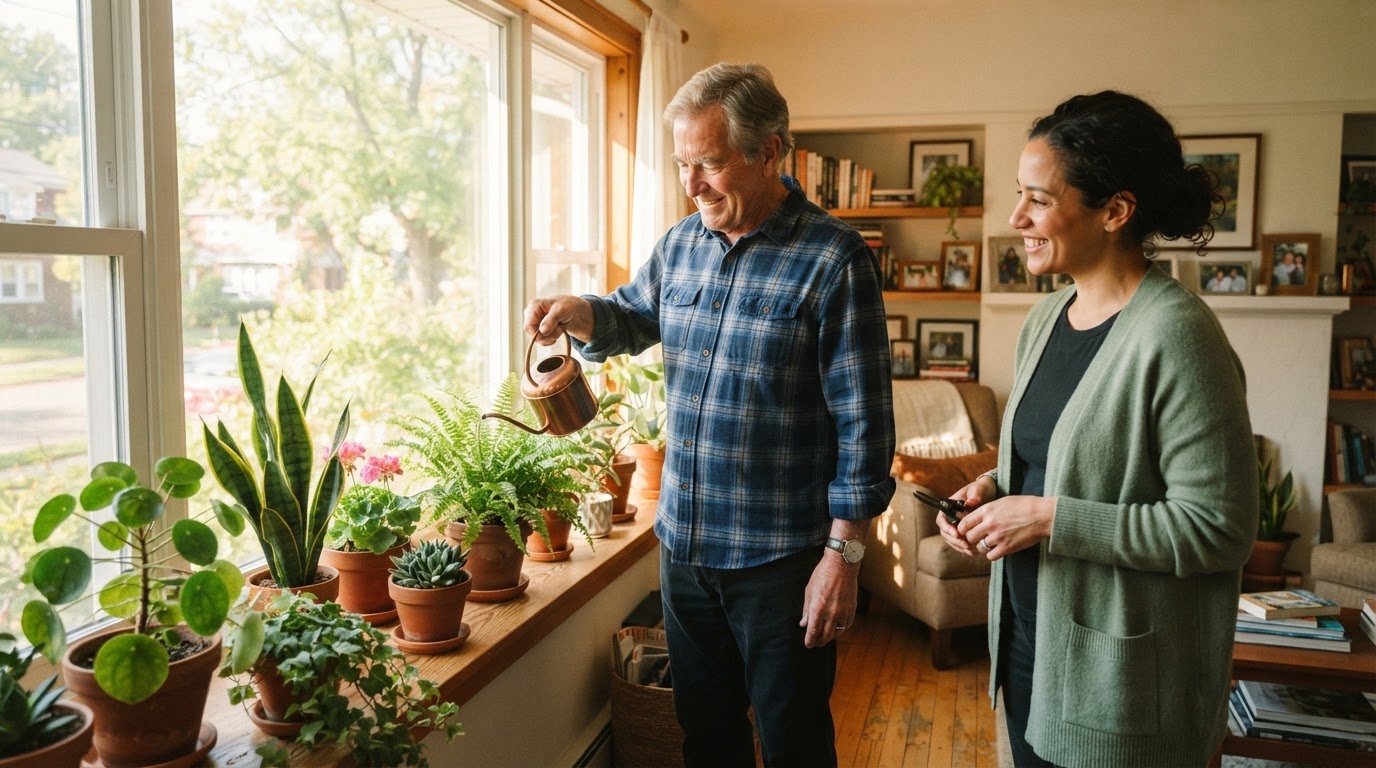
A good day for a senior rarely happens by accident. It is usually the result of a rhythm — a predictable sequence of waking, eating, moving, resting, and connecting that the body and mind come to rely on. That rhythm is what we call a daily routine, and for older adults it is far more than a schedule. It is a form of medicine. A consistent routine steadies blood sugar, supports better sleep, reduces anxiety, and helps preserve cognitive function, especially for those living with dementia. The National Institute on Aging emphasizes that predictable daily patterns help older adults feel safer, sleep better, and maintain independence longer. This guide walks through how to build a healthy daily routine for a senior at home, and how in-home caregivers help Milwaukee-area families keep that routine steady even when life gets complicated.
Why Routines Matter More With Age
As we age, the body's internal clock becomes less precise. Sleep grows more fragmented, appetite less reliable, and energy more variable. A predictable routine acts as an external clock the body can lean on, signaling when to eat, when to move, and when to rest. For a senior with diabetes, regular meal times help stabilize blood sugar. For a senior with heart disease, consistent medication timing keeps the condition managed. For a senior with arthritis, a routine that builds in gentle movement keeps stiff joints from locking up.
Routines matter emotionally, too. Predictability reduces the low-grade anxiety that comes from not knowing what comes next, which is especially important for older adults with cognitive changes. A senior who knows that breakfast comes at eight, a walk at ten, and a favorite show at three moves through the day with a sense of control rather than confusion. This is one reason consistency is so central to quality care, as we explore in our guide to the role of routine in senior care.
A Framework for a Healthy Day
A good routine is not rigid; it is a flexible framework that anchors the day without making it feel like a prison. A healthy pattern for most older adults includes a consistent wake time, three regular meals, a period of gentle physical activity, time for social or mental engagement, a consistent medication schedule, and a calming wind-down before a regular bedtime. The specifics should fit the person — their energy, their preferences, and their health needs — but the structure stays the same.
The morning sets the tone for everything that follows. Waking at a similar time, opening the curtains to let in daylight, and starting with hygiene and a nourishing breakfast tells the body the day has begun. Daylight exposure is one of the strongest signals for a healthy sleep-wake cycle, which is why our bathing and hygiene support often begins with helping a senior start the day with a predictable, dignified morning ritual.
Meals, Hydration, and Medication
Nutrition is the backbone of a senior's daily routine. Regular, balanced meals at consistent times support stable energy, blood sugar, and mood. For many older adults, appetite decreases with age, which makes a structured meal schedule even more important — a senior who "eats when hungry" may simply forget to eat enough. Our meal preparation support helps Milwaukee-area families keep nutritious meals on a reliable schedule, tailored to dietary needs and preferences.
Hydration deserves the same attention. Older adults often lose the sensation of thirst, and dehydration can sneak up quickly, causing confusion, dizziness, and falls. Building regular fluid intake into the routine — a glass of water with each meal and between meals — prevents problems before they start. Our guide to hydration for seniors covers practical ways to keep fluid intake on track.
Medication is the part of the routine where consistency is most literally a matter of health. A senior may take several medications at different times of day, some with food and some without, and a missed or doubled dose can have real consequences. An in-home caregiver helps by organizing medications, providing gentle reminders, and watching for side effects, so the medication routine stays accurate day after day.
Movement and Activity
Physical activity is one of the most powerful things a senior can build into a daily routine, and it does not require a gym. A short walk, gentle stretching, chair exercises, or light household activity keeps muscles strong, joints mobile, and balance sharp — all of which reduce fall risk. The Centers for Disease Control and Prevention recommends that older adults move regularly throughout the week, and even small amounts of daily activity add up to meaningful protection.
The key is consistency over intensity. Ten minutes of movement most days is far more valuable than an occasional exhausting workout. A caregiver can accompany a senior on a walk, guide simple exercises, or simply encourage the everyday movement that keeps a person active — gardening, tidying, walking to get the mail. Our daily living assistance weaves this kind of natural activity into the day.
Rest, Sleep, and the Wind-Down
Sleep is where the day's routine pays off — or falls apart. A consistent wake time, regular daylight, daytime activity, and limited napping all support better nighttime sleep, which in turn supports everything from mood to immune function to fall risk. The wind-down before bed matters as much as the morning: dimming lights, turning off screens, and a calming activity like reading or listening to music signal the body that it is time to rest.
Many seniors struggle with sleep, and a routine is often the first and most effective fix. Our guide to sleep hygiene for seniors goes deeper on building habits that lead to restful nights. When a caregiver helps hold the whole daily routine steady, sleep often improves on its own.
Connection and Purpose
A routine built only around meals, medication, and sleep keeps a senior alive but not fully living. The best routines make room for connection and purpose — a phone call with a grandchild, a visit from a friend, a hobby, a favorite program, or time outdoors. These are not extras; they are protective against the loneliness and depression that affect a large share of older adults.
Companionship is often the missing piece. A caregiver who visits regularly becomes part of the routine itself — a familiar face who shares a meal, takes a walk, or simply sits and talks. Our companionship care brings that human connection into the daily rhythm, which is often as important to a senior's well-being as any medical support.
Expert Guidance and Local Support
The National Institute on Aging offers guidance on healthy daily habits and routines for older adults (nia.nih.gov), and the Centers for Disease Control and Prevention provides resources on physical activity and healthy aging (cdc.gov). If your loved one in Milwaukee or the surrounding area could use help building and keeping a healthy daily routine, our daily living care and Greater Milwaukee caregivers are here to help every day.
Conclusion
A healthy daily routine is one of the most powerful, and most overlooked, tools for helping a senior live well at home. It steadies the body, calms the mind, and preserves independence by turning the chaos of an unstructured day into a predictable rhythm the body can rely on. The best routine is not the most elaborate one — it is the one a senior can follow consistently, with meals, movement, medication, rest, and connection built into every day. And the thing that makes a routine actually stick is a person who shows up to help keep it. With the right structure and the right support, older adults can live each day with more energy, better sleep, and a greater sense of purpose — right where they want to be, at home.