Foot Care for Seniors: A Complete Guide to Healthy, Pain-Free Feet
Sarah Jenkins
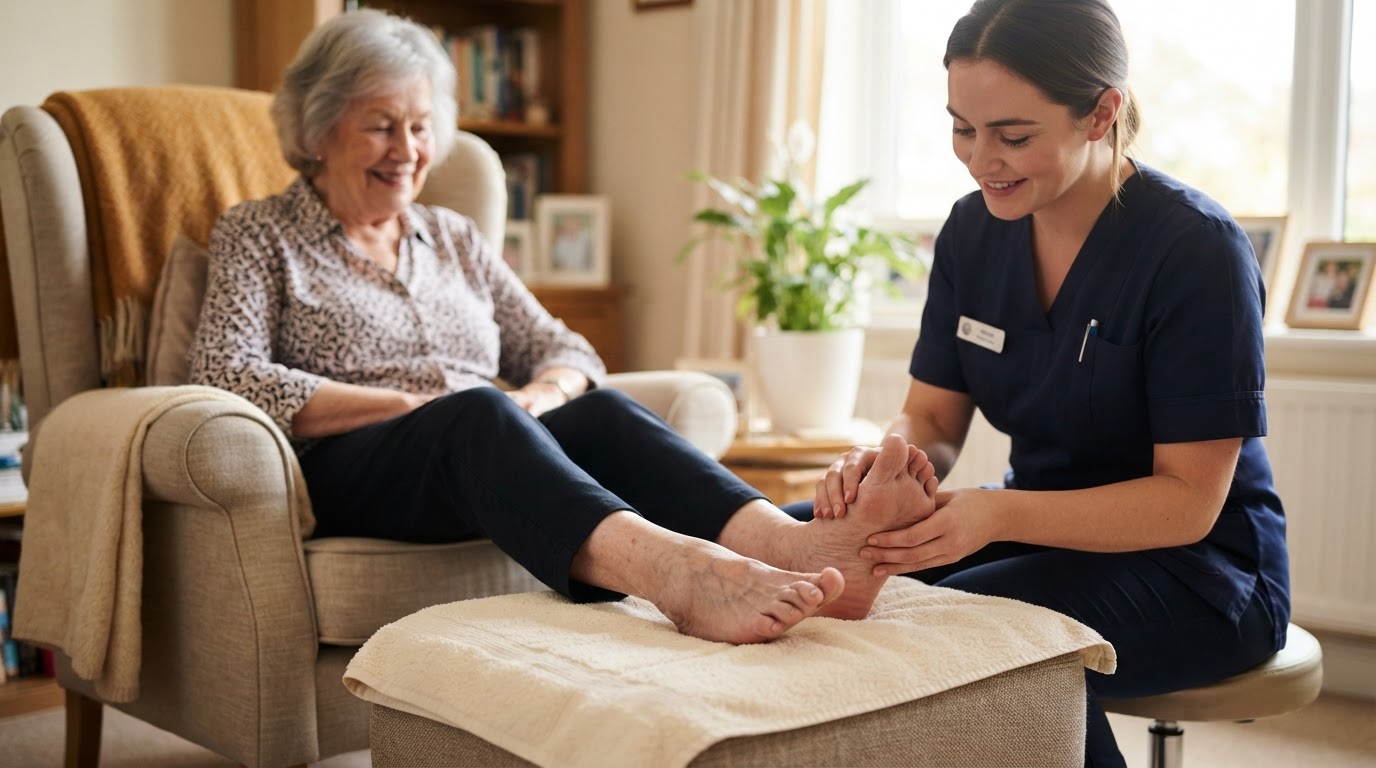
Feet are the foundation of independence. They carry seniors through their homes, to medical appointments, and into the community — yet they are among the most neglected parts of the body. According to the American Podiatric Medical Association, foot problems are among the most common health complaints in older adults, and they frequently go unreported until they begin to limit mobility. The good news is that most foot issues are preventable with consistent, attentive daily care. This guide explains why foot health matters so much for seniors, the most common problems to watch for, and how in-home caregivers help keep feet healthy, comfortable, and strong.
Why Foot Care Matters More with Age
As we age, the feet undergo natural changes that make them more vulnerable to problems. Skin thins and loses elasticity, becoming prone to dryness, cracking, and infection. Circulation slows, especially for seniors with diabetes or heart disease, which means small cuts and sores heal more slowly and carry a higher risk of complications. Nails grow thicker and more brittle, becoming difficult to trim safely. And decades of wear can alter the shape of the foot itself, leading to bunions, hammertoes, and a loss of the natural padding that once cushioned every step.
These changes matter because foot pain changes everything. A senior whose feet hurt will walk less, which weakens muscles, stiffens joints, and increases the risk of falls. They may skip errands, decline social invitations, and become more isolated. They may stop exercising, which worsens chronic conditions like diabetes and heart disease. In this way, a small foot problem can quietly begin a much larger cycle of decline. The Centers for Disease Control and Prevention identifies foot exams and proper foot care as an important part of preventing falls and preserving mobility in older adults. Catching problems early — and maintaining a simple daily routine — is far easier than reversing the damage once it has progressed.
Common Foot Problems in Seniors
Understanding the most frequent foot issues helps families and caregivers recognize them early. Many of these conditions are manageable when addressed promptly but can become serious if ignored.
Dry, Cracked Skin
Thinning skin and reduced oil production leave senior feet dry and prone to cracking, especially on the heels. Deep cracks (fissures) can be painful and may become entry points for infection. Daily moisturizing and gentle exfoliation prevent most cracking, but severe fissures should be treated by a professional.
Thickened and Ingrown Nails
Toenails often grow thicker, more curved, and more brittle with age, making them difficult to trim and prone to ingrowing into the surrounding skin. Ingrown nails cause pain, redness, and swelling and can become infected. For seniors with diabetes or poor circulation, even a minor nail problem can escalate quickly, so professional nail care is often the safest option.
Corns, Calluses, and Bunions
Years of pressure and friction build corns and calluses — areas of thick, hardened skin that can become painful. Bunions and hammertoes are structural changes that alter the shape of the foot and make footwear uncomfortable. Properly fitted shoes and regular care reduce discomfort, but structural deformities usually require evaluation by a podiatrist.
Fungal Infections
Athlete's foot and fungal toenails are common in older adults, especially those whose feet are often damp. Fungal nails cause discoloration, thickening, and brittleness, and they can spread to other nails if untreated. Keeping feet clean and dry is the best prevention, and persistent infections respond to prescription treatments.
Diabetic Foot Complications
Diabetes is the condition that makes foot care most urgent. High blood sugar damages nerves (neuropathy) and blood vessels, so a senior with diabetes may not feel a cut, blister, or sore on their foot — and the wound may heal very slowly. Untreated, this can lead to serious infection and, in severe cases, amputation. The National Institute on Aging stresses that daily foot inspection is essential for anyone with diabetes. Our diabetes management guide covers the broader strategies that protect long-term health.
A Simple Daily Foot Care Routine
Consistent, gentle care prevents most foot problems. A daily routine takes only a few minutes but protects mobility and independence for years to come. This is an ideal task for an in-home caregiver, especially for seniors who have difficulty bending or seeing their feet clearly.
- Inspect daily: Look at the tops, soles, and between the toes for cuts, redness, swelling, blisters, or color changes. Use a mirror or ask a caregiver if bending is difficult. For seniors with diabetes, this step is non-negotiable.
- Wash and dry thoroughly: Wash feet in warm (not hot) water and mild soap, then dry completely — especially between the toes, where moisture breeds fungus.
- Moisturize (but not between the toes): Apply lotion to keep skin supple, but avoid the spaces between the toes, which should stay dry to prevent fungal growth.
- Trim nails carefully: Cut toenails straight across with a clean clipper, avoiding rounding the corners, which causes ingrown nails. Thick or difficult nails are best handled by a podiatrist.
- Wear clean, dry socks: Choose moisture-wicking socks and change them daily. Avoid tight elastic that restricts circulation.
- Never go barefoot: Even indoors, slippers or supportive shoes protect against stubs, cuts, and falls.
This routine pairs naturally with other daily care. A caregiver assisting with bathing and hygiene can incorporate a foot check into the morning routine, and someone helping with dressing can ensure socks and shoes fit properly and aren't causing pressure points.
Choosing the Right Footwear
Footwear is one of the most overlooked factors in foot health and fall prevention. Shoes that are too tight, too loose, or worn out contribute to pain, corns, and instability. For seniors, the right shoes are a medical decision, not just a fashion one.
- Get professionally fitted: Foot size and shape change with age. Have feet measured and fitted at a reputable shoe store, ideally late in the day when feet are slightly swollen.
- Prioritize support and cushioning: Look for a firm sole, good arch support, and a wide toe box. Avoid flimsy slippers or unsupportive sandals.
- Choose secure closures: Laces or Velcro straps keep the shoe snug and prevent tripping. Slip-ons can slide and cause falls.
- Replace shoes regularly: Worn-out soles lose their grip and cushioning. Replace shoes at least once a year or sooner if they show signs of wear.
- Consider diabetic footwear: Seniors with diabetes may benefit from specially designed shoes and inserts that reduce pressure points, often covered by insurance with a prescription.
Warning Signs That Need a Doctor's Attention
Some foot changes warrant prompt professional care rather than home management. Families and caregivers should watch for:
- A cut, sore, or blister that isn't healing within a few days — especially for seniors with diabetes
- Sudden redness, swelling, warmth, or pain, which can signal infection
- Changes in skin or nail color — black, blue, or pale areas may indicate circulation problems
- Numbness, tingling, or burning sensations, which may point to neuropathy
- A noticeable change in foot shape or a bunion that is rapidly worsening
- Any foul odor or drainage, which suggests infection
When in doubt, a podiatrist visit is always worthwhile. Regular professional foot care — typically every 6 to 8 weeks — is recommended for seniors with diabetes, poor circulation, or limited mobility, and it is one of the most effective ways to prevent serious complications.
How In-Home Caregivers Support Foot Health
Foot care is a perfect example of a task that becomes difficult with age but is easy to support with the right help. Many seniors cannot see the soles of their feet, cannot reach their toes to trim nails, or cannot feel a developing problem due to neuropathy. An in-home caregiver bridges these gaps with consistent, attentive support.
Caregivers can perform daily foot inspections, help with washing and drying, apply moisturizer, monitor for warning signs, and ensure socks and shoes are appropriate and comfortable. They can also coordinate regular podiatry appointments and transportation, and they can communicate any concerns to family members before a small issue becomes a serious one. For seniors managing diabetes, this daily attention is especially critical — it is often the difference between a healthy foot and a dangerous wound.
This kind of consistent, hands-on support is part of broader daily living assistance that helps seniors maintain their health and independence at home. Our Milwaukee-area caregivers and teams throughout Greater Milwaukee are trained to provide exactly this kind of attentive, preventive support.
Expert Guidance and Local Support
The American Podiatric Medical Association offers detailed guidance on senior foot health and finding a podiatrist (apma.org), and the National Institute on Aging provides resources on foot care for older adults and those with diabetes (nia.nih.gov/health). If your loved one could use consistent help with daily foot care and overall wellness, our bathing and hygiene support and Mequon-area caregivers are ready to help seniors stay comfortable, mobile, and independent at home.
Conclusion
Healthy feet are the quiet foundation of a senior's independence — supporting mobility, balance, and the freedom to move through daily life with confidence. Yet foot care is easy to overlook until pain or a fall forces the issue. By understanding how the feet change with age, building a simple daily care routine, choosing supportive footwear, and partnering with attentive in-home caregivers who can inspect, clean, and monitor feet each day, families can prevent most foot problems before they begin. For seniors managing diabetes or limited mobility, this daily attention is not a luxury — it is essential preventive care. With the right habits and the right support, seniors can keep their feet healthy, comfortable, and strong for years to come.