Memory Keeping for Seniors: Preserving Stories and Legacy
Sarah Jenkins
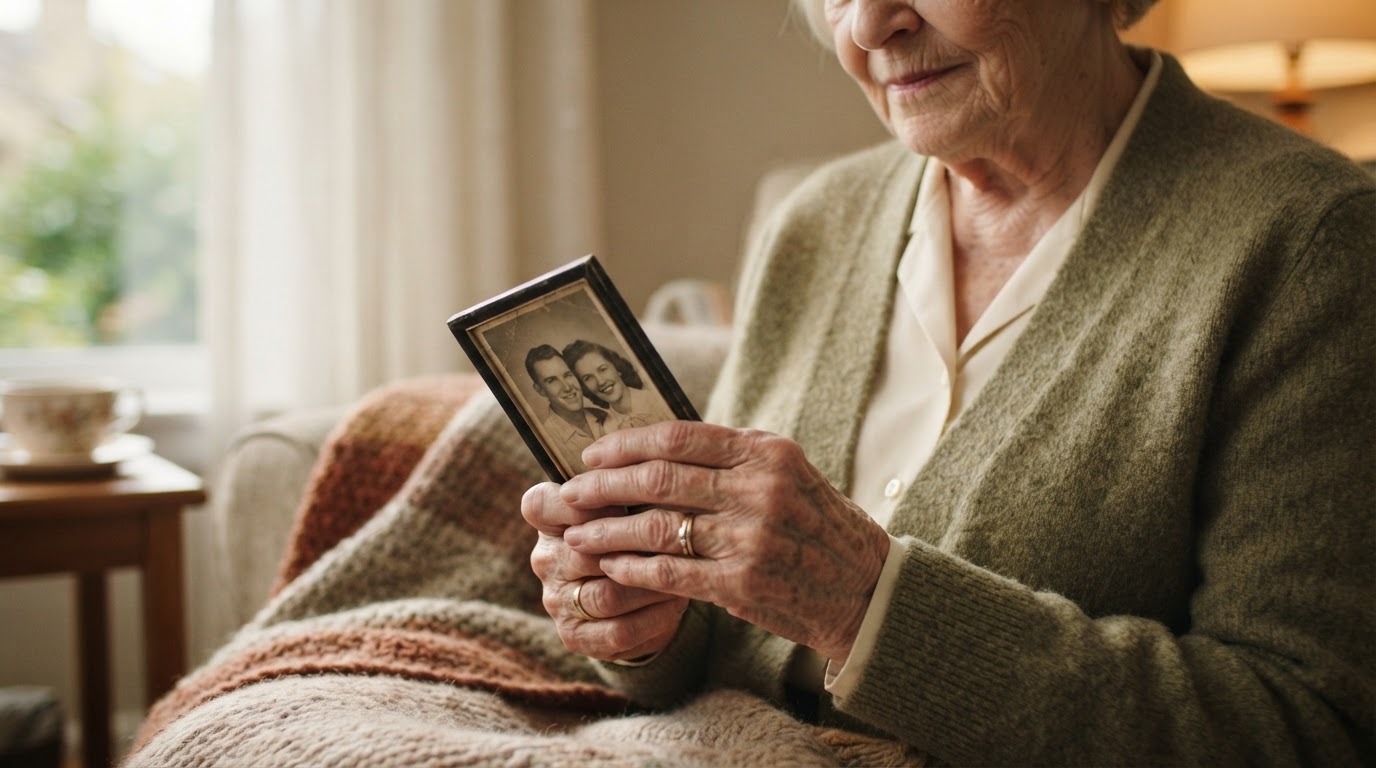
Every senior carries a lifetime of stories — first jobs, wartime memories, courtships, hardships overcome, and the small everyday moments that shaped a family. Too often, these stories fade quietly, lost to time before they can be recorded. Memory keeping is the deliberate practice of capturing, organizing, and sharing those stories so they endure. According to the National Institute on Aging, reminiscence and life-review activities do more than preserve history — they support cognitive health, ease symptoms of depression, and strengthen a senior's sense of identity and purpose. This guide explores why memory keeping matters, practical ways to get started, and how in-home caregivers help seniors in Milwaukee and surrounding communities turn scattered memories into a lasting legacy.
Why Memory Keeping Matters for Seniors
Memory keeping is far more than a sentimental hobby. For older adults, the act of recalling and recording life events delivers measurable emotional and cognitive benefits. Reminiscence therapy — a structured form of life review — has been shown to reduce feelings of loneliness, improve mood, and even support memory function in seniors living with mild cognitive impairment or early-stage dementia. When a senior tells their story, they reaffirm who they are, what they have survived, and what they have contributed to the people they love.
There is also a profound intergenerational benefit. Children and grandchildren rarely know the full arc of an elder's life — the sacrifices, the adventures, the values forged in hardship. A recorded legacy gives younger family members a tangible connection to their roots, something they can return to long after a loved one is gone. For families separated by distance, a shared memory project becomes a bridge that keeps generations connected across miles and years.
The Emotional Power of Life Review
Late life is naturally a time of reflection. Psychologists describe this stage as one of "integrity versus despair" — the process of looking back and making peace with the life one has lived. Seniors who are supported in reviewing their accomplishments, relationships, and challenges tend to arrive at a greater sense of meaning and acceptance. Those who are unable to reflect, or who feel their stories are unheard, are more vulnerable to regret and depression.
Memory keeping gives structure to this natural impulse. It invites seniors to revisit joyful milestones, acknowledge difficult chapters, and recognize the resilience that carried them through. A caregiver who listens patiently and asks thoughtful questions can draw out memories a senior might never have volunteered on their own — stories that, once spoken, often bring visible relief, pride, and even laughter.
Simple Ways to Capture a Senior's Story
A memory project does not need to be elaborate to be meaningful. The best approach is the one a senior will actually enjoy and stick with. Here are several accessible formats, ranging from low-tech to digital:
Guided Audio Recordings
Voice is the most personal medium — it carries tone, accent, and emotion in a way text never can. A simple smartphone voice recorder is all that's needed. A caregiver can ask a few open-ended prompts each week ("Tell me about your first job," "How did you and Grandpa meet?") and let the senior talk. Sessions of just ten or fifteen minutes build into a rich audio archive over time. The StoryCorps project, which preserves everyday American stories, offers free question lists and recording guidance that families can use at home.
Memory Journals and Books
Guided journals with prompts ("What was your childhood home like?" "What advice would you give your younger self?") make it easy to begin. For seniors who prefer speaking to writing, a caregiver can transcribe their words into a keepsake book. Pairing stories with photographs — labeled with names, dates, and places — turns a loose collection of memories into a treasured family heirloom.
Photo and Keepsake Sorting
Many seniors have boxes of unlabeled photographs that feel overwhelming to tackle alone. Sitting with a caregiver to sort photos a handful at a time — identifying people and places, discarding duplicates, and organizing the rest into albums — is itself a powerful reminiscence activity. Each photo unlocks a story, and the process of organizing brings order and satisfaction.
Video Interviews
For families comfortable with technology, short recorded interviews capture not just words but expressions, gestures, and voice. A weekly five-minute video, compiled over months, becomes an irreplaceable record. Keep clips short and low-pressure; the goal is comfort and authenticity, not performance.
Supporting Memory Keeping for Seniors with Dementia
Memory keeping is especially valuable — and especially delicate — for seniors living with Alzheimer's or other forms of dementia. Long-term memories often remain accessible even when recent events fade, so reminiscing about childhood, career, or early family life can bring comfort and spark connection when conversation in the present becomes difficult.
The Alzheimer's Association recommends using familiar objects — old photographs, music, recipes, or household items — as gentle prompts rather than asking direct questions that may frustrate. Follow the senior's lead. If a song or photo sparks joy, linger there. If a topic causes distress, move on. The goal is never to test memory but to create a warm, validating moment. Our dementia support guide offers more strategies for meaningful connection at every stage.
How In-Home Caregivers Help
Families often intend to record a parent's stories but struggle to find the time, the right prompts, or the patience to let memories unfold at their own pace. This is where an in-home caregiver makes a lasting difference. A caregiver who visits regularly can weave memory keeping into the natural rhythm of the day — chatting over morning coffee, sorting a few photos after lunch, or recording a short story before evening routines begin.
Caregivers also bring consistency. A one-time interview captures a snapshot; weekly conversations capture a living, evolving story. They notice which memories light up a senior's face and return to those themes. They handle the technical side — recording, labeling, organizing — so the senior can simply talk. And for seniors whose families live far away, a caregiver becomes the trusted listener who ensures no story is lost to isolation. Our companionship services are designed around exactly this kind of patient, personal connection.
Getting Started: A Simple First Project
The easiest way to begin is small. Choose one modest project and complete it together over a few weeks. Here is a simple framework any family or caregiver can follow:
- Pick a theme: Focus on one chapter — childhood, a career, courtship, or a favorite holiday tradition. A narrow focus feels manageable and yields richer detail.
- Gather prompts: Use a few open-ended questions. Avoid yes/no questions; ask "What was it like…?" or "Tell me about the time…"
- Set a regular time: Ten to fifteen minutes, once or twice a week, is plenty. Consistency matters more than duration.
- Record or write: Use whatever feels natural — voice memo, notebook, or labeled photos. Don't aim for perfection.
- Share and celebrate: Read or play back what you've captured with family. Seeing their story valued encourages seniors to share even more.
Preserving the Record for the Future
Once memories are captured, take a few simple steps to protect them. Digital recordings should be backed up in more than one place — a cloud service and a local copy. Physical photos and journals benefit from acid-free albums and storage away from heat and moisture. Label everything with names, dates, and context; a photo without a caption loses much of its meaning within a single generation. If the project grows, consider compiling it into a small printed book that can be shared with the whole family — a tangible keepsake that will be treasured for decades.
Expert Guidance and Local Support
The National Institute on Aging offers resources on reminiscence and cognitive engagement for older adults (nia.nih.gov/health), and the Alzheimer's Association provides guidance on meaningful connection at every stage of memory loss (alz.org). If your loved one could use a patient, consistent companion to help preserve their stories, our companionship care and Milwaukee-area caregivers are here to help seniors share and safeguard the memories that matter most.
Conclusion
Every senior's life is a story worth keeping. Memory keeping honors that story, supports emotional and cognitive well-being, and gives families a legacy that grows more precious with time. It does not require expensive equipment or perfect recall — only patience, curiosity, and a willingness to listen. With the gentle support of an in-home caregiver, even the quietest memories can be coaxed into the light and preserved for the generations who will one day draw strength from them. The best time to begin is now, while the stories can still be told in a loved one's own voice.