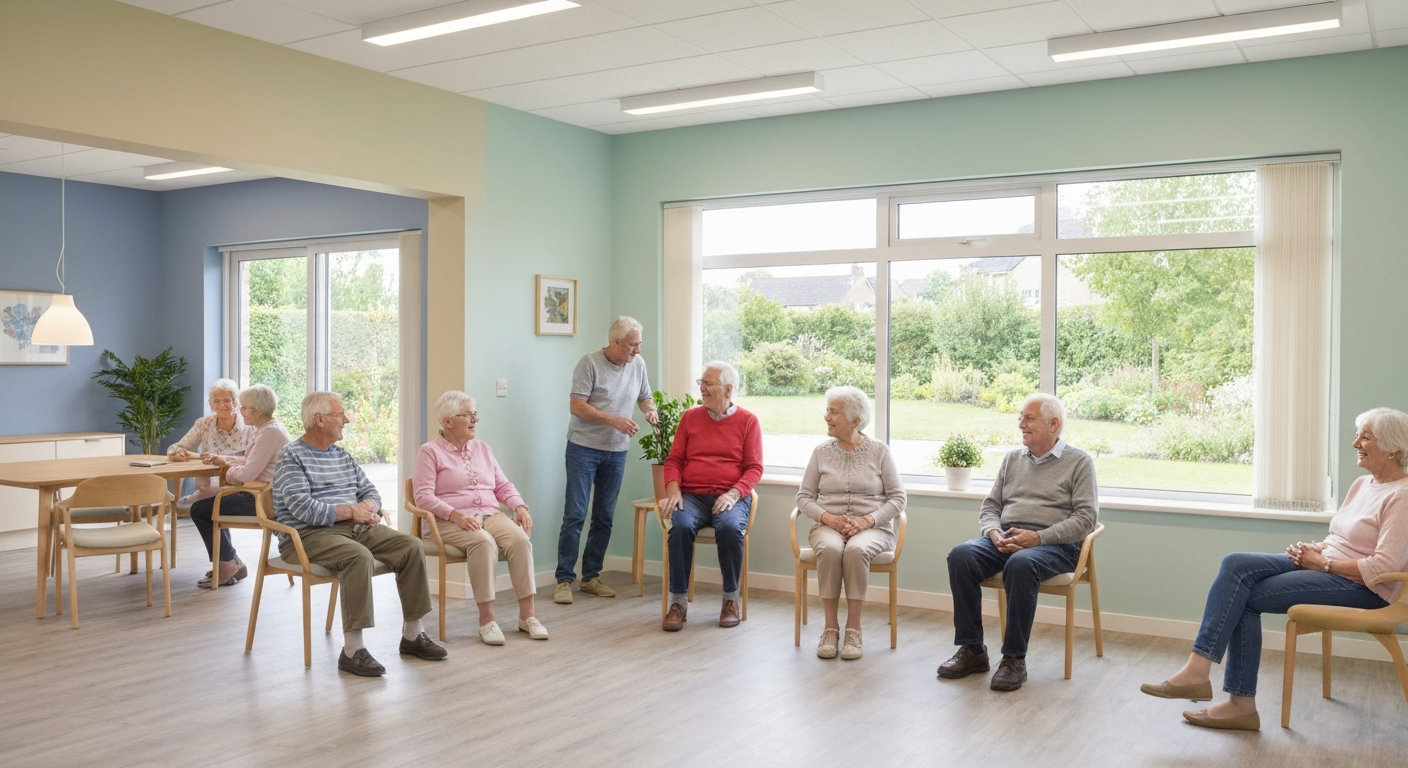
Human beings are social creatures by nature. Regardless of age, we thrive on connection, conversation, and community. For seniors, however, social interaction isn't just a "nice-to-have"—it's a fundamental pillar of health that can be as important as physical exercise or a balanced diet. Research consistently shows that social engagement can literally add years to your life.
The Silent Epidemic: Senior Isolation
As we age, our social circles often naturally shrink. Retirement, the loss of a spouse, friends moving away, or physical limitations that make leaving the house difficult can all lead to a gradual withdrawal from social life. This isolation isn't just lonely; it's dangerous. Medical research, including studies from the AARP and the National Institute on Aging, has consistently shown that prolonged social isolation in seniors is equivalent to smoking 15 cigarettes a day in terms of its impact on mortality.
In Wisconsin, where long, harsh winters can further restrict mobility and keep seniors indoors for months at a time, the risk of isolation is particularly high. Understanding the profound benefits of staying connected—and the innovative ways to facilitate that connection—is essential for any family caring for an aging loved one in the Milwaukee area.
Isolation often goes unnoticed because it happens gradually. A senior might stop attending their weekly bridge club because driving at night becomes difficult, or they might stop hosting dinners because they find the cleanup too tiring. Without intervention, these small changes can lead to a state of chronic loneliness that impacts every facet of their health, accelerating physical and cognitive decline.
Cognitive Benefits: Keeping the Mind Sharp
One of the most remarkable benefits of social interaction is its impact on brain health. Engaging in conversation, playing games with others, or simply sharing a meal requires significant cognitive processing. You have to listen, process information, recall memories, empathize with the speaker, and formulate responses. This mental "workout" helps build cognitive reserve, which can buffer against the symptoms of brain aging.
- Delayed Onset of Dementia: Studies suggest that seniors who are socially active have a significantly lower risk of developing Alzheimer's and other forms of dementia. The brain is like a muscle—if you don't use it through social engagement, it can begin to atrophy.
- Improved Memory: Regular social engagement helps maintain the neural pathways responsible for memory and problem-solving. Recalling stories from the past or discussing current events keeps those pathways active and healthy.
- Mental Agility: Group activities and social debates keep the mind flexible and adaptable to new information, preventing the "fog" that often accompanies prolonged isolation.
Emotional Well-being and Mental Health
The emotional toll of loneliness can be devastating. Depression and anxiety are frequently linked to isolation in the elderly. Social interaction provides a sense of belonging, relevance, and purpose that is vital for emotional stability.
When a senior has regular visitors—whether they are family, friends, or a professional companion caregiver—they feel valued and seen. This validation boosts self-esteem and provides a reason to get out of bed in the morning, dress well, and take care of personal hygiene. It provides a "rhythm" to the week that prevents days from blending together in a blur of television and silence, replacing apathy with anticipation.
Physical Health: The Surprising Connection
It might seem strange that talking to a friend can improve your physical health, but the biological connection is clear. Socially active seniors tend to have:
- Lower Blood Pressure: Positive social interactions reduce stress and the production of cortisol. This, in turn, lowers blood pressure and heart rate, reducing the risk of stroke and heart attack.
- Stronger Immune Systems: Reduced stress hormones allow the immune system to function more effectively, helping seniors fight off common illnesses and recover faster from injuries.
- Increased Physical Activity: Socializing often involves movement—whether it's walking to a neighbor's house, gardening with a friend, or simply moving around the house to host a visitor. It encourages a more active lifestyle overall.
- Better Nutritional Habits: Seniors are more likely to eat balanced, healthy meals when they are eating with others rather than snacking alone in front of a TV, leading to better overall nutrition.
Overcoming Barriers to Socialization
Recognizing the importance of socialization is only half the battle; overcoming the barriers that prevent it is the real challenge. Hearing loss is a major, often overlooked barrier. If a senior cannot hear conversations clearly, they will often withdraw from group settings to avoid embarrassment. Ensuring hearing aids are properly fitted and worn is crucial. Mobility issues and fear of falling also keep seniors homebound. Providing safe, reliable transportation and a supportive arm to lean on can instantly open up a senior's world again.
How In-Home Companionship Bridges the Gap
For many families in the Milwaukee area, providing constant social interaction is a challenge. Work schedules, childcare, and personal obligations are demanding. This is where professional in-home companionship becomes a life-changing service for both the senior and their family.
A companion caregiver isn't just there to help with tasks; they are there to be a friend. They share stories, look through old photo albums, play card games, go on walks, and provide the consistent, high-quality interaction that maintains a senior's zest for life. They serve as a "bridge" to the community, providing the transportation and physical support needed to help the senior safely attend social events, church services, or family gatherings.
Practical Tips for Increasing Social Engagement
If you're looking to help a loved one reconnect, consider these strategies:
- Leverage Technology: Teach them how to use video calls. Seeing a grandchild's face can provide a much deeper connection than a standard phone call. Our caregivers can help set this up and facilitate the calls.
- Community Centers: Many local Milwaukee and Mequon community centers offer senior-specific events, from book clubs to exercise classes. We can provide the transportation and accompaniment to make these outings safe and enjoyable.
- Intergenerational Connection: Encourage interactions with younger generations. Both the senior and the younger person benefit immensely from the exchange of wisdom, stories, and energy.
- Scheduled Visits: Consistency is key. Knowing that someone is coming every Tuesday at 2 PM provides something to look forward to all week and reduces the anxiety of "empty time."
- Pet Therapy: If a senior is able, caring for a pet can provide constant companionship and a sense of responsibility. If not, visits from therapy animals can be incredibly therapeutic and uplifting.
Expert Guidance and Local Support
For more comprehensive information on the health risks of loneliness, we recommend reviewing the guidelines provided by the Centers for Disease Control and Prevention (CDC). If you or a loved one need personalized assistance, our companionship care services in Milwaukee and surrounding areas are designed to provide the highest quality of care tailored to your unique needs.
Conclusion
Social interaction is the "glue" that holds a healthy life together. By prioritizing connection, we aren't just making seniors happier; we are helping them live longer, healthier, and more fulfilling lives. At Med Group Home Health Care, we believe companionship is the heart of what we do. We are dedicated to ensuring that no senior in our community has to face the journey of aging alone.