The Benefits of Regular Exercise for Seniors: Safe and Effective Workouts
Sarah Jenkins
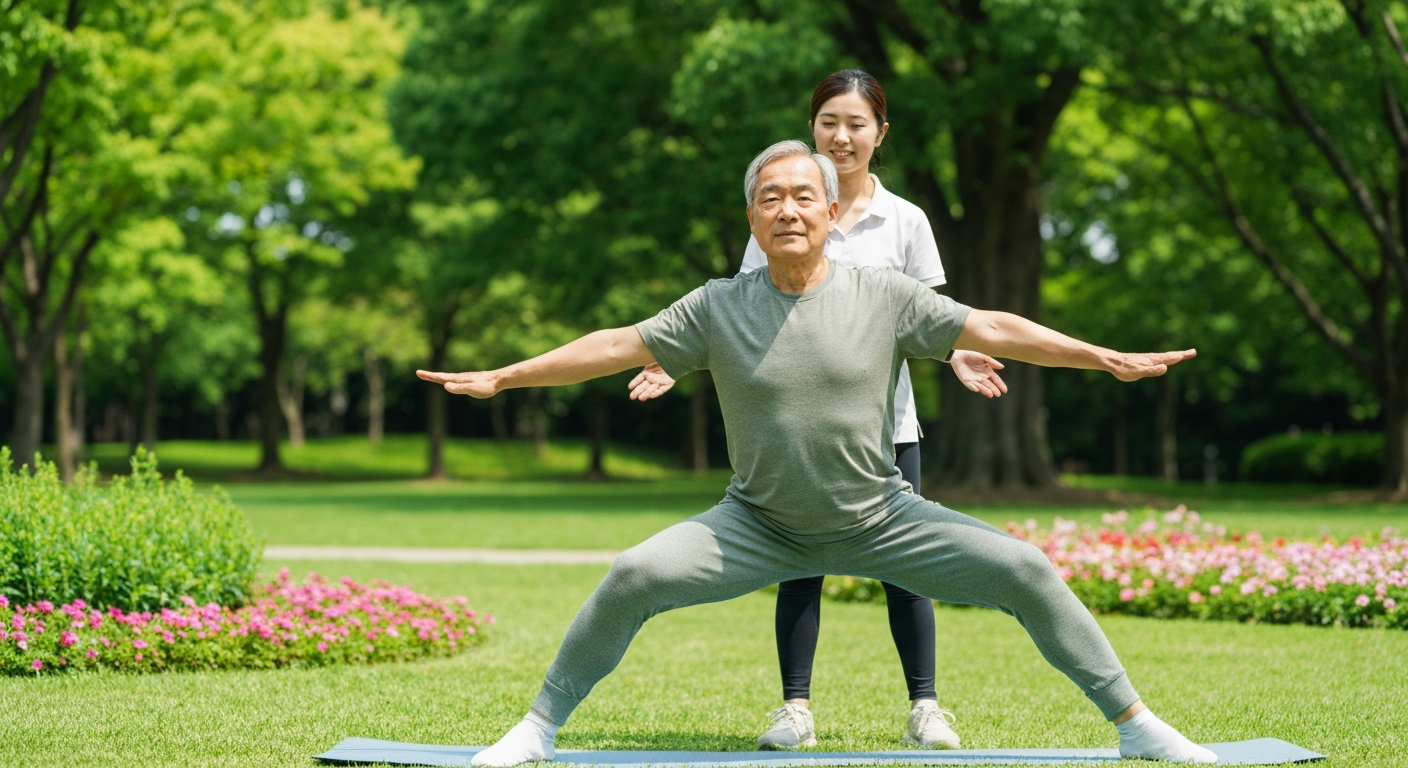
Staying physically active is one of the most important things older adults can do to maintain their health, independence, and overall quality of life. As we age, our bodies naturally lose muscle mass, bone density, and joint flexibility. However, regular exercise can significantly slow down these processes, preventing chronic diseases, improving mood, and reducing the risk of falls. In this comprehensive guide, we will explore the myriad benefits of exercise for seniors and provide actionable, safe workout strategies that can be easily incorporated into a daily routine, whether at home or with the assistance of a professional caregiver.
The Physical Benefits of Staying Active
The physical advantages of regular exercise for older adults are profound and far-reaching. First and foremost, exercise helps maintain healthy bones, muscles, and joints. Weight-bearing exercises, such as walking or light resistance training, stimulate bone growth and help combat osteoporosis, a common condition that makes bones brittle and more prone to fractures.
Furthermore, cardiovascular exercises like swimming, cycling, or brisk walking improve heart health by lowering blood pressure, reducing cholesterol levels, and enhancing circulation. This significantly decreases the risk of heart disease and stroke, which are leading causes of health complications in seniors. Regular physical activity also helps control weight, reducing the strain on joints and lowering the risk of developing type 2 diabetes. By keeping the body moving, seniors can maintain the strength and stamina needed to perform activities of daily living (ADLs) independently for as long as possible.
Mental and Emotional Well-being
The benefits of exercise extend far beyond physical health; it is equally vital for mental and emotional well-being. Physical activity triggers the release of endorphins, often referred to as "feel-good" hormones, which act as natural mood lifters. This can be particularly beneficial for seniors who may be dealing with feelings of isolation, anxiety, or depression.
Additionally, regular exercise has been shown to improve cognitive function and memory. Activities that require coordination and focus, such as dancing or tai chi, stimulate the brain and can help delay the onset of cognitive decline and dementia. Exercise also promotes better sleep quality, helping seniors fall asleep faster and enjoy deeper, more restorative rest. A well-rested mind is sharper, more alert, and better equipped to handle the emotional challenges of aging.
Fall Prevention and Balance
Falls are a major concern for older adults, often leading to severe injuries, loss of independence, and a decline in overall health. One of the most effective ways to prevent falls is through regular exercise that focuses on balance, flexibility, and core strength.
Exercises that strengthen the muscles of the legs, hips, and lower back provide a more stable foundation, making it easier to maintain balance and recover from a stumble. Tai chi, yoga, and specific balance exercises (like standing on one foot or walking heel-to-toe) are excellent choices for improving proprioception—the body's ability to sense its position in space. When combined with home safety modifications, a targeted exercise routine can drastically reduce the risk of debilitating falls.
Safe and Effective Workout Strategies
Before starting any new exercise program, it is crucial for seniors to consult with their healthcare provider to ensure the chosen activities are safe and appropriate for their specific health conditions. Once cleared, a well-rounded fitness routine should include four main types of exercise: endurance, strength, balance, and flexibility.
- Endurance (Aerobic): Activities that increase the heart rate and breathing for an extended period. Examples include brisk walking, swimming, dancing, or water aerobics. Aim for at least 150 minutes of moderate-intensity aerobic activity per week.
- Strength Training: Exercises that build muscle mass and bone density. This can involve lifting light weights, using resistance bands, or performing body-weight exercises like modified squats or wall push-ups. Aim for two days a week of strength training.
- Balance Exercises: Activities designed to improve stability and prevent falls. Tai chi is highly recommended, as are simple exercises like standing on one foot while holding onto a sturdy chair for support.
- Flexibility (Stretching): Exercises that help maintain a full range of motion in the joints. Gentle stretching or senior-focused yoga can keep muscles supple and reduce stiffness. Stretch after warming up the muscles, never when they are cold.
Overcoming Barriers to Exercise
Many seniors face barriers to regular exercise, including chronic pain, fear of falling, lack of motivation, or limited access to fitness facilities. It's important to address these challenges creatively and compassionately.
For those with chronic pain or joint issues, water-based exercises are an excellent low-impact alternative, as the buoyancy of the water reduces stress on the joints while still providing resistance. If the fear of falling is a deterrent, starting with seated exercises or working with a physical therapist can build confidence. Lack of motivation can often be overcome by making exercise a social activity—joining a local senior walking group or participating in community center classes can make fitness fun and engaging.
The Role of Caregivers in Promoting Activity
Professional in-home caregivers play a vital role in helping seniors stay active. They can provide the necessary physical support and encouragement to make exercise safe and enjoyable. Whether it's accompanying a senior on a daily walk around their Milwaukee or Mequon neighborhood, guiding them through a prescribed physical therapy routine, or simply participating in light stretching exercises together, a caregiver's presence can make all the difference.
Caregivers also help establish a consistent routine, which is key to reaping the long-term benefits of exercise. By integrating physical activity into the daily schedule—such as a short walk after breakfast or gentle stretching before bed—caregivers ensure that fitness becomes a natural, seamless part of the senior's life. Services like companionship care not only provide emotional support but also the motivation needed to stay moving.
Expert Guidance and Local Support
According to the Centers for Disease Control and Prevention (CDC), regular physical activity is one of the most important things older adults can do for their health, preventing many of the health problems that seem to come with age. If you or a loved one needs assistance establishing a safe, effective exercise routine at home, Med Group Home Health Care is here to help. Our trained caregivers provide the support and encouragement needed to maintain an active, independent lifestyle.
Conclusion
Embracing regular exercise is a powerful way for seniors to take control of their health, maintain their independence, and enhance their overall quality of life. By incorporating a balanced mix of endurance, strength, balance, and flexibility exercises into their daily routine, older adults can protect their physical and mental well-being for years to come. With the right support, guidance, and a positive mindset, staying active can be a joyful and rewarding part of the aging journey.