Oral Health for Seniors: A Complete Guide to Dental Care and In-Home Support
Sarah Jenkins
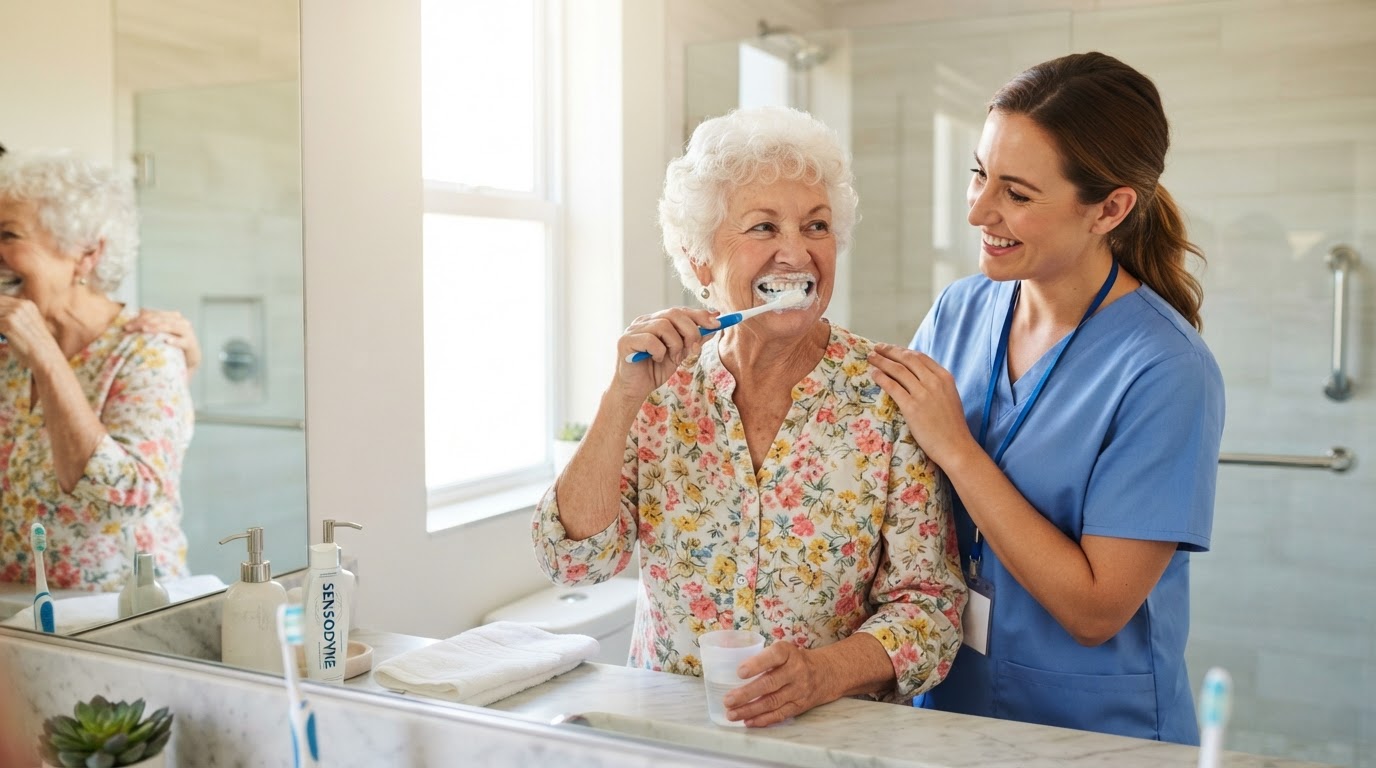
Oral health is often overlooked in conversations about senior wellness, yet it plays a critical role in overall health, nutrition, confidence, and quality of life. According to the Centers for Disease Control and Prevention, nearly one in five adults age 65 and older have lost all of their teeth, and many more suffer from untreated tooth decay, gum disease, and oral infections. The mouth is the gateway to the body, and poor oral health has been linked to serious conditions including heart disease, diabetes complications, pneumonia, and malnutrition. For seniors aging in place, maintaining a daily oral hygiene routine is essential — and in-home caregivers can play a vital role in making that routine manageable, safe, and consistent.
Why Oral Health Matters More with Age
As we age, our mouths undergo natural changes that increase the risk of dental problems. Gum tissue recedes, exposing more of the tooth root to decay-causing bacteria. Saliva production often decreases, especially when taking certain medications, leaving the mouth less able to naturally wash away food particles and neutralize acids. Many seniors also retain their natural teeth longer than previous generations, which is wonderful news — but it also means those teeth require ongoing care for more years than ever before.
The connection between oral health and systemic health is well documented. The American Dental Association notes that bacteria from gum disease can enter the bloodstream and contribute to inflammation in blood vessels, increasing the risk of cardiovascular disease. For seniors with diabetes, gum disease can make blood sugar harder to control, creating a dangerous cycle. Aspiration pneumonia, a serious respiratory infection, can occur when bacteria from the mouth are inhaled into the lungs — a particular risk for seniors with swallowing difficulties or cognitive impairment. These connections make oral hygiene not just a matter of a healthy smile, but a matter of life and health.
Common Oral Health Issues in Older Adults
Tooth Decay and Cavities
Tooth decay remains one of the most common chronic conditions among seniors. Receding gums expose the softer root surfaces of teeth, which are more susceptible to decay than the enamel-covered crowns. Many older adults develop root cavities that progress quickly if left untreated. Regular dental checkups are essential for catching decay early, before it leads to pain, infection, or tooth loss.
Gum Disease (Periodontitis)
Gum disease is an infection of the tissues that hold the teeth in place. It begins as gingivitis — red, swollen gums that bleed easily — and can progress to periodontitis, where the gums pull away from the teeth and form pockets that become infected. If untreated, the bone and connective tissue that support the teeth are destroyed, leading to tooth loss. The CDC reports that nearly two-thirds of adults over 65 have some form of gum disease. Risk factors include poor oral hygiene, smoking, diabetes, and certain medications that reduce saliva flow.
Dry Mouth (Xerostomia)
Dry mouth is a frequent and frustrating problem for seniors. It occurs when the salivary glands do not produce enough saliva to keep the mouth moist. Hundreds of common medications — including those for high blood pressure, depression, anxiety, allergies, and pain — list dry mouth as a side effect. Without adequate saliva, the mouth cannot naturally cleanse itself, dramatically increasing the risk of tooth decay, gum disease, and oral infections. Dry mouth can also make it difficult to chew, swallow, and speak comfortably, and can affect the fit and comfort of dentures.
Oral Cancer
The risk of oral cancer increases with age, particularly for adults over 55. The American Cancer Society estimates that tens of thousands of new cases of oral cavity and oropharyngeal cancers are diagnosed each year. Risk factors include tobacco use, heavy alcohol consumption, and infection with certain strains of the human papillomavirus (HPV). Early signs include mouth sores that do not heal, lumps, white or red patches, and difficulty swallowing. Regular dental exams include oral cancer screenings, which can detect the disease in its earliest, most treatable stages.
Denture-Related Issues
For seniors who wear dentures, proper fit and cleanliness are essential. Ill-fitting dentures can cause pain, sores, difficulty eating, and embarrassment. Dentures that are not cleaned daily can harbor bacteria and fungi, leading to infections such as denture stomatitis. Over time, the jawbone changes shape, meaning dentures may need to be relined or replaced to maintain a proper fit. Caregivers can help by reminding seniors to remove and clean dentures daily, inspecting the mouth for sores, and flagging fit issues for a dental visit.
Building a Daily Oral Hygiene Routine
A consistent daily routine is the foundation of good oral health. The following steps, recommended by the American Dental Association and dental professionals nationwide, can help seniors protect their teeth and gums:
- Brush twice a day: Use a soft-bristled toothbrush and fluoride toothpaste. An electric toothbrush can be especially helpful for seniors with arthritis or limited manual dexterity, as it requires less gripping and does the brushing motion automatically.
- Floss daily: Flossing removes plaque and food from between teeth where a brush cannot reach. Floss picks, interdental brushes, or water flossers are excellent alternatives for seniors who find traditional floss difficult to use.
- Use a fluoride mouth rinse: A fluoride rinse can help strengthen tooth enamel and reduce decay, especially for seniors with dry mouth or a history of cavities.
- Clean dentures daily: Remove dentures at night and brush them with a denture cleaner. Soak them in a denture solution overnight to keep them moist and free of bacteria.
- Stay hydrated: Sipping water throughout the day helps combat dry mouth and naturally rinses the mouth. Sugar-free gum or lozenges containing xylitol can also stimulate saliva production.
- Limit sugary and acidic foods: Candies, sodas, and acidic fruits can erode enamel and feed decay-causing bacteria. Choose tooth-friendly snacks like cheese, nuts, and crunchy vegetables.
Overcoming Barriers to Dental Care
Many seniors face practical challenges that make it difficult to maintain oral health. Physical limitations from arthritis, stroke, or Parkinson's disease can make holding a toothbrush or maneuvering floss nearly impossible. Cognitive conditions such as dementia can cause a senior to forget to brush, resist oral care, or not understand why it is necessary. Fear of the dentist, cost concerns, lack of transportation, and limited access to providers who accept Medicaid or treat medically complex patients all contribute to declining oral health in this population.
Recognizing these barriers is the first step toward overcoming them. Adaptive tools — such as toothbrushes with enlarged handles, floss holders, and electric brushes — can restore independence for seniors with dexterity challenges. A consistent routine, gentle reminders, and a calm, patient approach can make oral care more comfortable for seniors with cognitive impairment. And coordinating transportation to dental appointments, or finding a mobile dental service that visits the home, can ensure that professional care remains accessible.
How In-Home Caregivers Support Senior Oral Health
In-home caregivers are often the unsung heroes of senior oral health. They provide the daily, hands-on support that keeps dental hygiene on track — support that family members may not always be available to give and that seniors may struggle to manage alone. The role of a caregiver in oral health is multifaceted:
Daily Hygiene Assistance
Caregivers can assist with or supervise brushing and flossing, ensuring that each step is completed thoroughly. For seniors with arthritis or limited hand mobility, a caregiver can apply toothpaste to the brush, guide the brushing motion, or perform the brushing entirely when needed. They can help with denture removal, cleaning, and reinsertion, and can inspect the mouth for signs of sores, redness, or infection that the senior may not notice or be able to communicate.
Medication and Dry Mouth Management
Because so many medications contribute to dry mouth, caregivers who are aware of a senior's medication regimen can watch for symptoms and take steps to manage them. Offering water frequently, providing sugar-free lozenges, and using a humidifier in the bedroom can all help relieve dry mouth. Caregivers can also remind seniors to use fluoride rinses or prescribed dry-mouth products as directed by their dentist or physician.
Nutrition and Meal Support
Oral health and nutrition are deeply connected. Painful teeth or ill-fitting dentures can make eating uncomfortable, leading seniors to avoid healthy foods and become malnourished. Caregivers who prepare meals can choose softer, nutrient-rich options when chewing is difficult, and can ensure that meals are balanced with foods that support dental health — calcium-rich dairy, vitamin C-rich produce for gum health, and plenty of water. Our Meal Prep & Nutrition services are designed to support exactly this kind of holistic, health-conscious approach to daily meals.
Dental Appointment Coordination
Caregivers can help schedule dental visits, arrange transportation, accompany the senior to the appointment, and communicate any observations about the senior's oral health to the dental team. This advocacy is especially valuable for seniors with cognitive impairment, who may not be able to report symptoms accurately on their own.
Oral Health and Cognitive Decline
The relationship between oral health and cognitive health runs in both directions. Research published by the National Institute on Aging suggests that poor oral health, particularly gum disease, may be associated with an increased risk of cognitive decline and dementia. Chronic inflammation from periodontal disease may contribute to inflammation in the brain, and bacteria from the mouth have been found in the brains of Alzheimer's patients. At the same time, cognitive decline makes oral care more difficult — seniors with dementia may forget to brush, resist assistance, or lose the ability to perform the sequential steps of brushing and flossing.
For families caring for a loved one with dementia, a patient and consistent oral care routine is essential. Breaking the task into simple steps, using short, clear instructions, and choosing the same time and place each day can help. A caregiver's gentle, reassuring presence can reduce anxiety and resistance, making oral care a calmer experience for everyone involved.
When to Call the Dentist
Regular dental checkups — ideally every six months, or more frequently for seniors with gum disease, dry mouth, or complex medical needs — are the cornerstone of preventive care. Between visits, caregivers and family members should watch for signs that warrant a prompt dental appointment:
- A toothache or persistent mouth pain
- Bleeding, swollen, or receding gums
- Loose teeth or shifting dentures
- Mouth sores that do not heal within two weeks
- White or red patches on the gums, tongue, or inside of the cheeks
- Difficulty chewing, swallowing, or wearing dentures
- Persistent bad breath or a bad taste in the mouth
- Clicking or pain in the jaw
Early intervention can prevent minor issues from becoming serious, painful, and costly problems. Never assume that oral symptoms will resolve on their own — a dentist should evaluate any persistent change.
Expert Guidance and Local Support
The Centers for Disease Control and Prevention offers detailed resources on oral health for older adults, including tips for caregivers (cdc.gov/oral-health). The National Institute on Aging also provides a practical guide to dental care for seniors and caregivers (nia.nih.gov/health/dental-and-oral-health). If your loved one needs help maintaining a daily oral hygiene routine, our personal care services include hands-on assistance with brushing, denture care, and mouth health, and our Milwaukee-area caregivers are trained to support seniors throughout Greater Milwaukee with dignity and compassion.
Conclusion
Oral health is a vital but often neglected part of senior wellness. A healthy mouth supports nutrition, speech, confidence, and social connection, and it protects against serious systemic conditions ranging from heart disease to pneumonia. By understanding the common dental challenges of aging, building a consistent daily routine, overcoming barriers with adaptive tools and patient support, and partnering with compassionate in-home caregivers, families can help their loved ones maintain strong teeth, healthy gums, and a better quality of life for years to come. Good oral care is not just about a smile — it is about health, dignity, and the freedom to enjoy every meal and every conversation to the fullest.