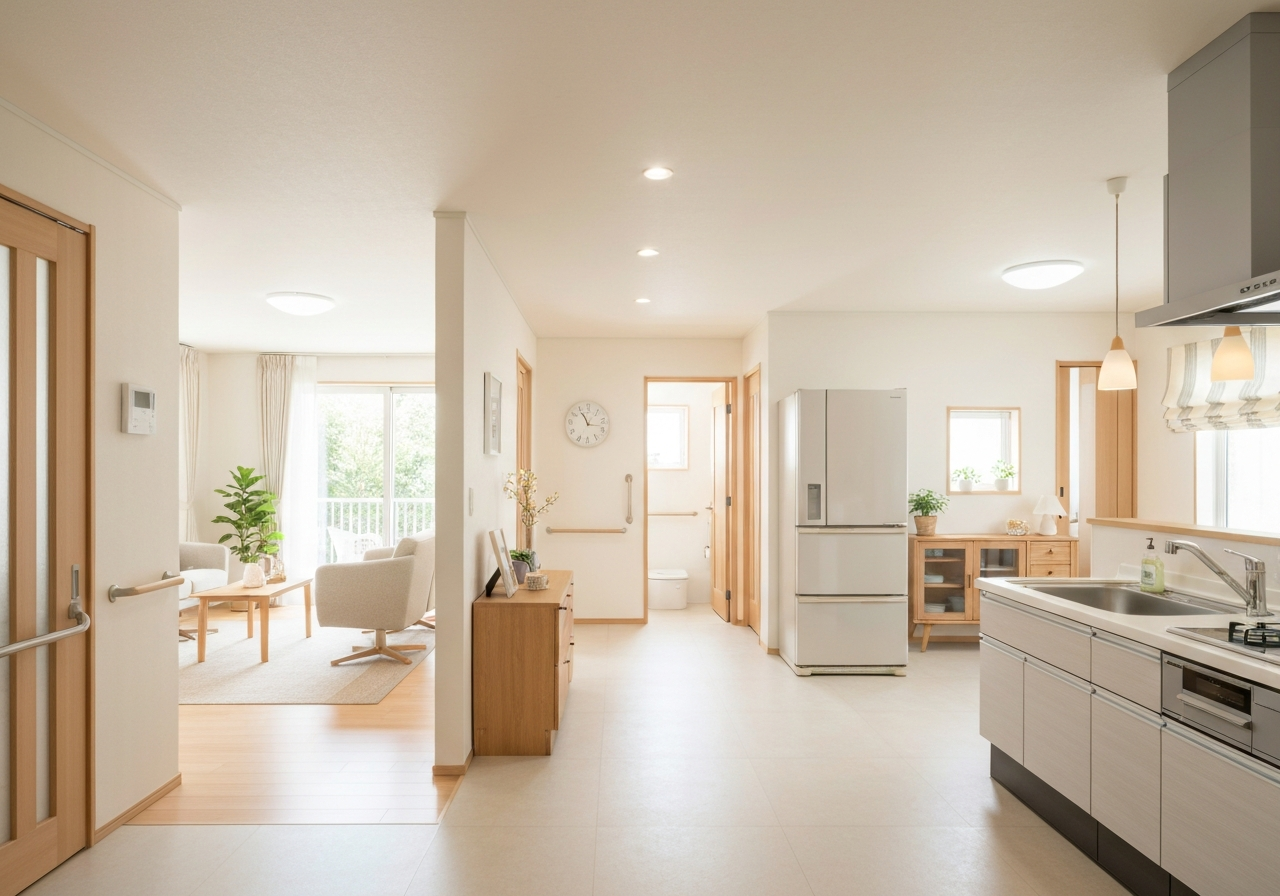
For many seniors, the home is a sanctuary of comfort and memories. However, as mobility, balance, and vision naturally change with age, familiar spaces can present unexpected hazards. Falls are a leading cause of injury among older adults, often leading to a rapid decline in independence. The good news is that many of these incidents are preventable. By implementing these five essential safety tips, you can significantly enhance the safety and longevity of your home life.
1. Clear the Clutter and Secure Walkways
The most common cause of falls is tripping over objects in walkways. Over the years, we all accumulate "stuff," but in a senior's home, this clutter can be dangerous. Ensure that all hallways, stairs, and frequently used paths are completely clear of books, newspapers, shoes, and low furniture like coffee tables or plant stands. Creating a 36-inch wide clear path through every room ensures safe passage for walkers and wheelchairs if they are needed.
The Rug Risk: Pay special attention to throw rugs. While they add warmth and style, they are a major tripping hazard. It is safest to remove them entirely. If you must keep them, secure them firmly to the floor with heavy-duty double-sided tape or slip-resistant backing. Ensure the edges are not curled up, as even a slight lip can catch a toe.
Cord Management: Electrical and telephone cords should never run across a walking path. Secure them along the baseboards or move furniture to hide them. Never run cords under rugs, as this creates both a trip hazard and a fire hazard.
2. Improve Lighting Throughout the Home
Dim lighting makes it difficult to see obstacles, changes in floor level, or spills. As vision diminishes, the need for brighter, more consistent light increases. Ensure that all rooms, hallways, and staircases are well-lit with high-wattage, energy-efficient LED bulbs.
Nighttime Safety: Many falls happen at night when navigating to the bathroom. Install motion-sensor nightlights in the bedroom, hallway, and bathroom. These provide immediate illumination without the senior needing to fumbled for a switch while sleepy.
Accessible Switches: Ensure that light switches are easy to reach at the entrance of every room. For stairs, switches should be located at both the top and bottom. Glow-in-the-dark switch plates can also be very helpful.
3. Enhance Bathroom Safety: The High-Risk Zone
The bathroom is statistically the most dangerous room in the house due to hard, slippery surfaces and the presence of water. To minimize risks, professional modifications are often necessary:
- Install Sturdy Grab Bars: These should be securely anchored into wall studs near the toilet and inside the shower or bathtub. Never rely on towel racks or soap dishes for support; they are not designed to hold weight.
- Non-Slip Surfaces: Place high-quality non-slip rubber mats or apply anti-slip decals to the floor of the shower or tub. Ensure the bathroom floor itself has a non-slip surface or use rugs with strong rubber backing.
- Shower Seating: A shower chair or bench allows seniors to bathe safely while seated, reducing the fatigue and balance issues that often lead to slips.
- Raised Toilet Seats: These make sitting and standing much easier for those with limited leg strength or joint pain.
4. Fire Safety and Kitchen Precautions
Fire safety is a critical component of aging in place. Seniors, especially those with mobility issues, are highly vulnerable in the event of a house fire.
- Smoke and Carbon Monoxide Detectors: Ensure detectors are installed on every level of the home and outside every sleeping area. Test them monthly and change the batteries twice a year. For seniors with hearing loss, consider installing alarms with strobe lights or vibrating bed pads.
- Stove Safety: For those with memory issues, automatic stove shut-off devices can prevent fires by turning off the heat if no motion is detected for a certain period. Keep flammable items like dish towels and loose clothing away from the burners.
- Accessible Storage: Reaching for high shelves or bending down low into deep cabinets can cause loss of balance and dizziness. Reorganize the kitchen so that frequently used items are stored at waist or chest level. Avoid the use of step stools entirely.
5. Establish a Reliable Emergency Plan
Despite the best precautions, emergencies can still happen. Being prepared can make the difference between a minor incident and a major crisis.
- Emergency Contact List: Keep a list of emergency numbers (family, doctors, pharmacy, emergency services) in large print near every phone and on the refrigerator.
- Personal Emergency Response Systems (PERS): Consider a wearable medical alert device. Modern versions include fall detection and can summon help even if the senior cannot speak or reach a phone.
- The Spare Key: Ensure that at least one trusted neighbor or nearby family member has a spare key and knows the emergency plan. Alternatively, install a lockbox with a code known to emergency responders.
- Daily Check-ins: Establish a routine where someone checks in at a specific time every day. This ensures that if something does happen, it won't go unnoticed for long.
Expert Guidance and Local Support
For more comprehensive information on aging in place safely, we recommend reviewing the guidelines provided by the National Institute on Aging. If you or a loved one need personalized assistance, our errands and shopping services in Mequon and surrounding areas are designed to provide the highest quality of care tailored to your unique needs.
Conclusion
Our caregivers are trained to identify potential hazards and provide the daily support needed to maintain a safe living environment. If you're concerned about home safety in the Milwaukee area, we can conduct a professional assessment and help implement these vital changes.