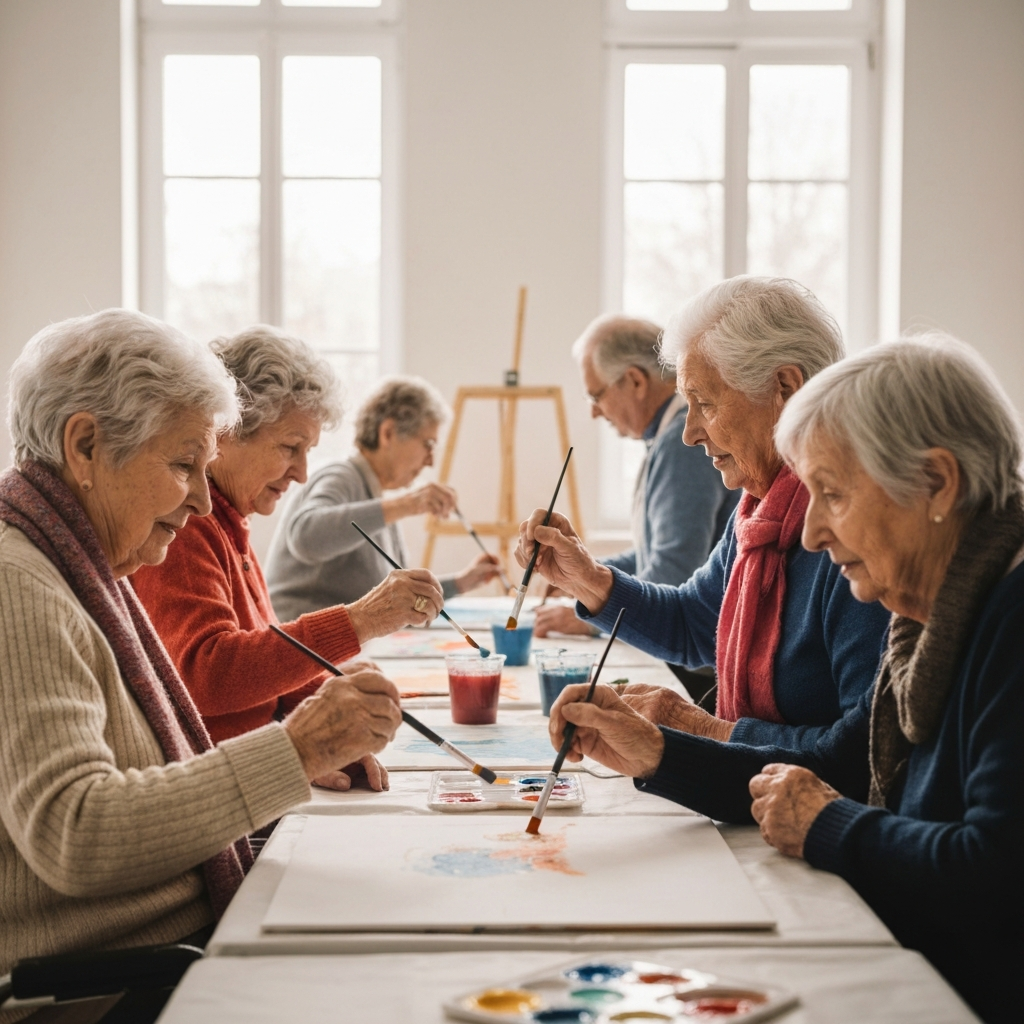
Aging doesn't diminish the human need for creativity and self-expression. In fact, as seniors navigate the physical and emotional changes of later life, finding new ways to communicate and connect becomes even more vital. Art and music therapy are powerful tools that go far beyond simple hobbies—they are evidence-based interventions that can significantly improve a senior's physical, cognitive, and emotional health.
1. Stimulating Cognitive Function
Both art and music engage multiple areas of the brain simultaneously. For seniors, especially those experiencing mild cognitive impairment or early-stage dementia, this mental stimulation is crucial. Listening to familiar music can trigger deep-seated memories and emotions, temporarily bridging the gap caused by memory loss. Similarly, the process of creating art—whether painting, sculpting, or drawing—requires focus, problem-solving, and spatial reasoning, acting as a "workout" for the brain that helps maintain neural pathways. The act of choosing colors, planning a composition, or following a rhythm demands sustained attention, which can help sharpen overall cognitive acuity and delay further decline.
2. Alleviating Anxiety and Depression
The transition into the senior years can sometimes be accompanied by feelings of isolation, loss, or depression. Creative therapies provide a safe, non-verbal outlet for processing these complex emotions. The rhythmic nature of music and the physical act of painting or molding clay have been shown to lower cortisol levels (the stress hormone) and increase the production of endorphins and dopamine. This naturally elevates mood, reduces anxiety, and promotes a profound sense of calm and well-being. For seniors who struggle to articulate their sadness or fears, painting abstractly or listening to specific musical pieces allows them to release pent-up emotions in a healthy, constructive manner.
3. Enhancing Motor Skills and Physical Coordination
Art therapy often involves fine motor skills—holding a brush, kneading clay, or threading beads. These activities help seniors maintain dexterity, hand-eye coordination, and joint flexibility, which is particularly beneficial for those managing arthritis or recovering from a stroke. Even music therapy can involve physical movement, from tapping a foot to the beat to playing simple percussion instruments, encouraging gentle exercise and rhythm coordination. Over time, these small, repetitive movements can significantly improve hand strength and precision, making daily tasks like buttoning a shirt or holding a fork much easier.
4. Facilitating Communication and Connection
When words fail, art and music speak. For seniors who have lost the ability to communicate effectively due to a stroke or advanced dementia, creative therapies offer an alternative language. A painting can convey a mood that a senior cannot articulate, and singing a familiar song can bring out a voice that has been silent for days. Engaging in these activities, especially in a group setting or with a caregiver, fosters deep social connections, reduces loneliness, and builds a sense of community. Shared creative experiences allow caregivers and family members to connect with the senior on a profound emotional level, bypassing the frustrations of verbal communication barriers.
5. Boosting Self-Esteem and Purpose
Creating something beautiful or learning a new skill at any age provides a powerful sense of accomplishment. Art and music therapy give seniors a tangible way to express their unique identities and leave a legacy. The pride that comes from completing a painting or participating in a musical activity reinforces self-worth and provides a joyful, meaningful focus for their day. Displaying a senior's artwork around the house or playing a recording of them singing validates their efforts and constantly reminds them of their capabilities and inherent value.
6. Encouraging Reminiscence and Life Review
Music is deeply tied to our autobiographical memory. Hearing a song from their youth can transport a senior back to a specific time and place, encouraging them to share stories and reflect on their life experiences. This process, known as reminiscence therapy, is incredibly validating and helps seniors make sense of their life's journey. Art can serve a similar purpose; painting a childhood home or drawing a beloved pet allows them to visually document their personal history. These structured life reviews can help resolve past conflicts and bring a sense of peace and closure to the later stages of life.
7. Creating a Calming Environment at Home
Beyond structured therapy sessions, the simple integration of music and art into the daily home environment can have profound effects. Playing soft, classical music during mealtimes can increase appetite and reduce agitation. Having art supplies readily available encourages spontaneous creativity. For families and caregivers, participating in these activities alongside the senior transforms caregiving from a series of tasks into a shared, joyful experience. Setting up a dedicated "creation station" in a well-lit corner of the room ensures that the senior always has access to an engaging, therapeutic activity whenever they feel restless or bored.
8. Overcoming the "I'm Not an Artist" Barrier
Many seniors initially resist art therapy because they believe they lack talent. It is crucial to emphasize that art and music therapy are about the *process*, not the final product. Using accessible mediums like watercolors, pre-drawn canvases, or simple percussion instruments removes the pressure of perfection. Caregivers should focus on praising the effort and the emotional expression rather than the technical skill, ensuring the environment remains supportive, encouraging, and entirely free of judgment.
Expert Guidance and Local Support
For more comprehensive information on cognitive health, we recommend reviewing the guidelines provided by the National Institute on Aging. If you or a loved one need personalized assistance, our companionship care services in Milwaukee and surrounding areas are designed to provide the highest quality of care tailored to your unique needs.
Conclusion
At Med Group Home Health Care, we believe in holistic care that nurtures the mind, body, and spirit. Our caregivers are trained to encourage engaging, meaningful activities tailored to your loved one's interests. Contact us to learn how we can support a vibrant, creative life at home.