Stroke Recovery at Home: A Comprehensive Guide for Seniors and Families
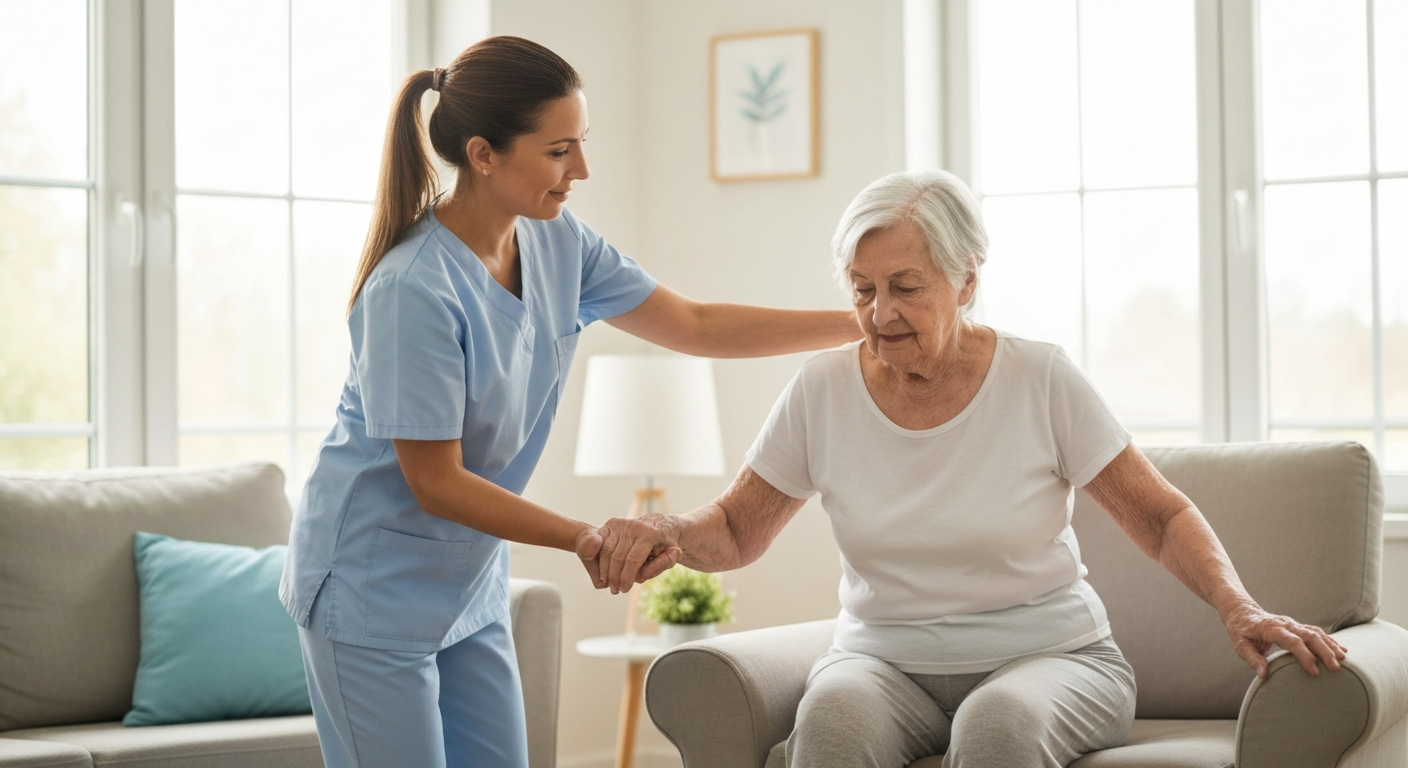
Experiencing a stroke is a life-altering event that can bring profound changes to a senior's physical, cognitive, and emotional well-being. While the acute phase of treatment occurs in a hospital or inpatient rehabilitation setting, the true journey of recovery often begins the moment a patient returns home. Navigating stroke recovery at home requires immense patience, meticulous preparation, and a comprehensive, adaptable care plan. Every stroke is unique, meaning every recovery timeline will look different.
Understanding the Post-Stroke Timeline
The first three to six months following a stroke are typically when the most rapid recovery occurs, thanks to a phenomenon called neuroplasticity—the brain's remarkable ability to rewire itself and form new neural connections. However, recovery does not simply stop after six months. With consistent therapy and support, survivors can continue to make meaningful progress for years. Understanding that this is a marathon, not a sprint, is the first step in setting realistic expectations for both the senior and their family.
The Importance of a Safe Home Environment
One of the most critical steps in preparing for a stroke survivor's return home is ensuring the environment is safe and accessible. Stroke can lead to unilateral weakness (hemiparesis), balance issues, and a significantly higher risk of falls. Making targeted modifications to the home can drastically reduce these risks and promote independence.
Start by clearing clutter from walkways and removing loose rugs or securing them with double-sided tape. Ensure that all rooms and hallways are brightly lit, perhaps installing motion-sensor lights for nighttime bathroom visits. In the bathroom, install grab bars near the toilet and inside the shower or bathtub. A sturdy shower chair and a hand-held showerhead can make bathing much safer and less strenuous. In the kitchen and living areas, ensure that frequently used items are easily within reach—between waist and shoulder height—to prevent dangerous overreaching or climbing on step stools.
Physical, Occupational, and Speech Therapy
Rehabilitation is the absolute cornerstone of stroke recovery. Continuing physical therapy exercises at home is essential for regaining strength, coordination, and mobility. A physical therapist will provide specific exercises tailored to the survivor's deficits, such as gait training or core strengthening.
Equally important is occupational therapy, which focuses on relearning fine motor skills necessary for daily life, such as buttoning a shirt or using utensils. Speech-language pathology is vital for seniors suffering from aphasia (difficulty speaking or understanding language) or dysphagia (difficulty swallowing). Caregivers play a vital role in encouraging these exercises daily. Consistency is key, but it is equally important not to push the survivor to the point of extreme fatigue. Celebrate small victories, whether it's standing unassisted for a few extra seconds, successfully gripping a cup, or pronouncing a difficult word.
Assistance with Activities of Daily Living (ADLs)
Stroke survivors often struggle with Activities of Daily Living (ADLs) such as dressing, bathing, eating, and grooming. Providing daily living assistance while encouraging the senior to do as much as possible independently is a delicate and necessary balance. Doing everything for the survivor can actually hinder their recovery, leading to learned helplessness.
Adaptive equipment can be incredibly helpful in bridging the gap between dependence and independence. Items like button hooks, velcro shoes, long-handled shoehorns, and utensils with thicker, weighted grips can empower the stroke survivor to manage personal tasks with less frustration. When assisting, practice patience. Tasks will take significantly longer than they used to, and rushing the process can cause anxiety and setbacks.
Managing Medications to Prevent a Second Stroke
Proper medication management is crucial to prevent secondary strokes and manage underlying health conditions like hypertension, atrial fibrillation, or high cholesterol. Create a strict schedule using pill organizers with daily compartments or digital reminder alarms. Never alter dosages or stop medications without consulting the prescribing physician, even if the senior is feeling better.
It is also critical to monitor blood pressure regularly at home, as hypertension is the leading cause of stroke. Keep a log of these readings to share with the healthcare team during follow-up appointments.
Nutrition and Hydration
Nutrition plays a significant role in neurological recovery. A heart-healthy diet—such as the Mediterranean diet, which is rich in fruits, vegetables, lean proteins, omega-3 fatty acids, and whole grains—supports brain health and overall physical recovery while helping to manage blood pressure and cholesterol.
If the stroke survivor experiences dysphagia, dietary modifications are non-negotiable. Foods may need to be pureed, and liquids thickened to specific consistencies to prevent choking or aspiration pneumonia. Working closely with a speech therapist or registered dietitian ensures the senior gets adequate nutrition safely. Additionally, monitor their fluid intake to prevent dehydration, which can exacerbate cognitive confusion and fatigue.
Navigating Communication Challenges
Aphasia, a communication disorder that impairs a person's ability to process language but does not affect intelligence, is a common post-stroke complication. If your loved one is struggling with aphasia, patience is your most valuable tool. Speak slowly, use simple sentences, and give them ample time to respond without interrupting or finishing their sentences for them.
Non-verbal communication becomes incredibly important. Use gestures, pointing, or drawing to convey meaning. Picture boards and text-to-speech apps on tablets can also provide alternative ways for the survivor to express their needs, reducing frustration for both of you.
Managing Vision and Spatial Awareness Issues
Many stroke survivors experience changes in their vision or spatial awareness, such as hemianopia (losing half of the visual field) or unilateral neglect (failing to notice objects on one side of the body). These deficits increase the risk of accidents and make navigating the home more difficult.
To help manage these issues, encourage the survivor to turn their head frequently to scan their environment. Place important items, like the television or their water glass, on their unaffected side initially, but gradually introduce activities on their affected side to encourage brain rewiring. Ensure the home is free of low-lying obstacles that might be missed due to visual field loss.
The Importance of Rest and Sleep Hygiene
Fatigue is one of the most common and debilitating symptoms following a stroke. The brain is expending a massive amount of energy trying to heal and rewire itself. It is completely normal for a stroke survivor to need significantly more sleep than they did prior to the stroke, often requiring naps during the day.
Establishing good sleep hygiene is crucial. Maintain a consistent sleep schedule, ensure the bedroom is dark and quiet, and limit screen time before bed. If the survivor has physical limitations that make turning in bed difficult, caregivers may need to assist them in repositioning to prevent pressure sores and ensure a comfortable night's rest.
Addressing Emotional and Cognitive Changes
The emotional impact of a stroke is often as significant—and sometimes more challenging to manage—as the physical impact. Survivors frequently experience post-stroke depression, anxiety, severe frustration, or a condition called pseudobulbar affect (PBA), which causes uncontrollable, inappropriate episodes of crying or laughing. Cognitive changes, such as short-term memory loss, difficulty concentrating, or impaired executive function, are also common.
Open, empathetic communication is vital. Encourage the survivor to express their feelings and validate their emotions rather than simply telling them to "look on the bright side." Engaging in activities they used to enjoy, even in a heavily modified capacity, can boost their mood and provide a sense of normalcy. If depression or anxiety seems overwhelming and is interfering with rehabilitation, do not hesitate to seek professional counseling, psychiatric support, or local stroke support groups.
The Importance of Caregiver Support and Respite
Caring for a stroke survivor is profoundly demanding, both physically and emotionally. The sudden shift in family dynamics and the heavy daily workload mean that caregiver burnout is a real and serious risk. It is crucial for family caregivers to recognize their own limits, prioritize their health, and seek support when needed.
You cannot pour from an empty cup. Utilizing respite care services allows family members to take a necessary break to rest, attend to their own medical needs, or simply recharge mentally. Building a robust care team that includes family, friends, and professional in-home caregivers ensures that the stroke survivor receives consistent, high-quality care while protecting the well-being of the primary family caregiver.
Expert Guidance and Local Support
For comprehensive information on stroke recovery, the American Stroke Association offers extensive resources and support networks for survivors and their families.
If you are managing stroke recovery at home in the Greater Milwaukee area, professional support is available. Our caregivers in Milwaukee and Mequon are experienced in assisting stroke survivors with mobility, personal care, and daily routines, ensuring a safe and supportive environment for recovery.
Conclusion
Stroke recovery is a marathon, not a sprint. It requires dedication, patience, and a supportive environment. By focusing on safety, consistent rehabilitation, proper nutrition, and emotional well-being, families can help their loved ones achieve the best possible quality of life during their recovery journey. Remember, you do not have to navigate this path alone—professional home care support can be an invaluable asset in managing the complexities of post-stroke care.