Managing Arthritis Pain at Home: Tips for Seniors and Caregivers
Sarah Jenkins
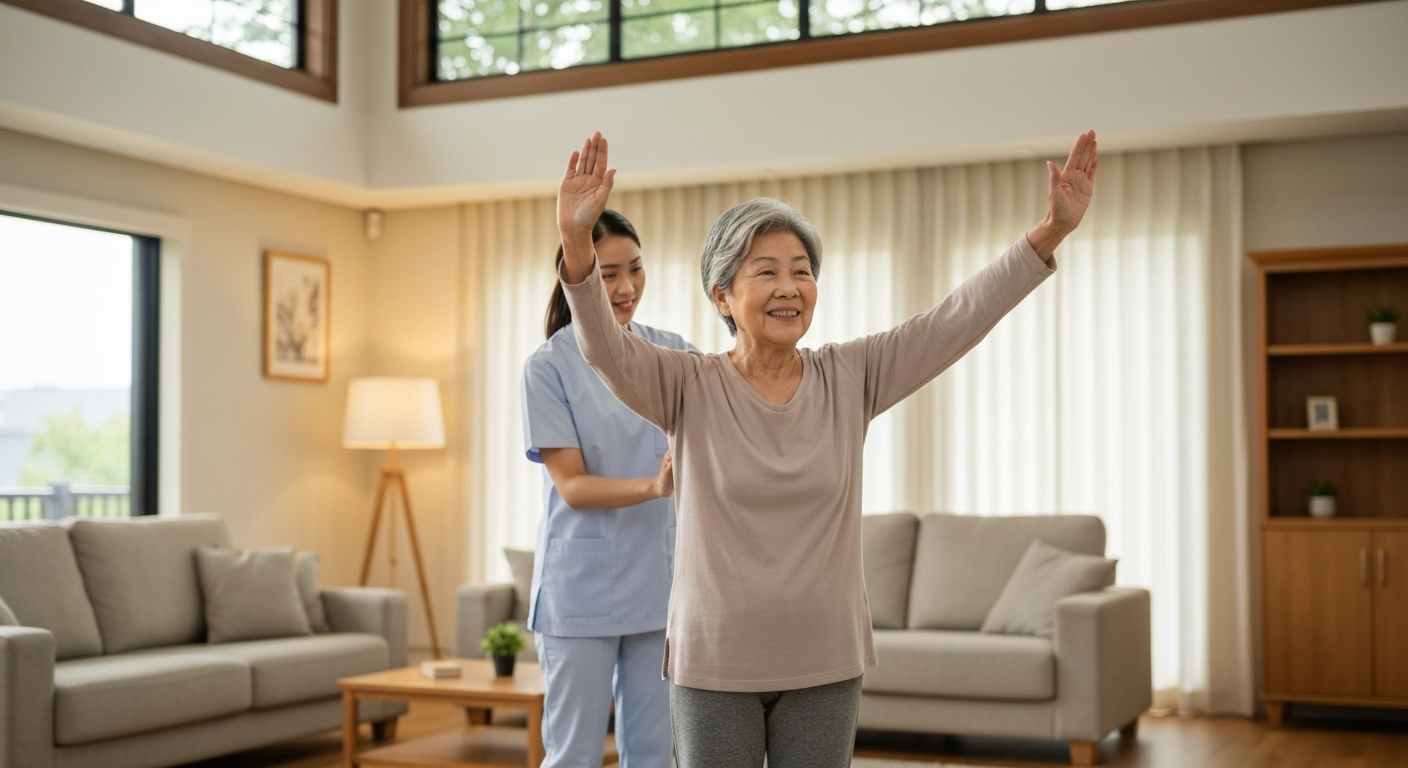
Arthritis is one of the most common health conditions affecting older adults today, bringing with it chronic pain, joint stiffness, and a gradual reduction in mobility. For many seniors, the daily reality of arthritis means that once-simple tasks—like opening a jar, buttoning a shirt, or walking up a flight of stairs—can become frustrating and painful. However, an arthritis diagnosis does not mean surrendering one's independence or quality of life. With a proactive, multi-faceted approach to pain management, lifestyle adjustments, and the right support system, seniors can successfully manage their arthritis symptoms from the comfort and familiarity of their own homes.
Understanding the Types of Arthritis
To effectively manage arthritis, it is crucial to understand that "arthritis" is not a single disease. It is an umbrella term referring to joint pain or joint disease, encompassing more than 100 different types and related conditions. The two most common forms affecting seniors are Osteoarthritis (OA) and Rheumatoid Arthritis (RA).
Osteoarthritis (OA): Often referred to as "wear and tear" arthritis, OA is the most prevalent form among older adults. It occurs when the protective cartilage that cushions the ends of bones wears down over time. This typically affects the hands, knees, hips, and spine. Seniors with OA often experience a deep, aching pain in the affected joints, stiffness (especially in the morning or after a period of inactivity), and a decreased range of motion.
Rheumatoid Arthritis (RA): Unlike OA, Rheumatoid Arthritis is an autoimmune and inflammatory disease. This means that the immune system mistakenly attacks healthy cells in the body, causing painful swelling in the affected parts of the body, mainly the joints. RA commonly affects joints in the hands, wrists, and knees, and it usually occurs symmetrically (on both sides of the body). In addition to joint pain, RA can cause systemic symptoms like fatigue, fever, and loss of appetite.
Understanding which type of arthritis a senior is dealing with is the first step in creating an effective management plan. A treatment strategy that works well for OA might not be sufficient for RA, which often requires specialized disease-modifying medications. Always consult with a rheumatologist or primary care physician to secure an accurate diagnosis and a tailored medical treatment plan.
The Impact of Arthritis on Daily Living
The physical symptoms of arthritis—pain, stiffness, and swelling—can have a cascading effect on a senior's overall well-being. Physically, it limits mobility, making it difficult to perform Activities of Daily Living (ADLs) such as bathing, dressing, and preparing meals. This loss of physical capability can lead to a more sedentary lifestyle, which paradoxically worsens arthritis symptoms by allowing joints to stiffen further and muscles to weaken.
Beyond the physical toll, arthritis carries a significant emotional and psychological burden. Chronic pain is exhausting. It can disrupt sleep patterns, leading to fatigue and irritability. The loss of independence and the inability to participate in beloved hobbies or social events can result in feelings of isolation, anxiety, and depression. Acknowledging this emotional impact is a critical component of holistic arthritis care. Support from family, friends, and professional caregivers plays a vital role in maintaining a senior's mental health and emotional resilience.
Effective Home Management Strategies
While arthritis cannot be cured, its symptoms can be effectively managed. A comprehensive home management plan involves a combination of physical activity, dietary choices, therapeutic techniques, and environmental adaptations.
1. Gentle, Consistent Exercise
It may seem counterintuitive to move when joints are aching, but physical activity is one of the most effective treatments for arthritis. Exercise helps to strengthen the muscles around the joints, providing better support and reducing the strain on the joints themselves. It also helps to maintain bone strength and control weight, which is crucial for minimizing stress on weight-bearing joints like the hips and knees.
Seniors should focus on low-impact exercises that do not put excessive stress on the joints. Excellent options include:
- Water Aerobics and Swimming: The buoyancy of water reduces stress on weight-bearing joints while providing resistance for muscle strengthening.
- Tai Chi and Yoga: These practices improve flexibility, balance, and core strength while incorporating deep breathing and relaxation techniques that can help manage pain.
- Walking: A simple, accessible cardiovascular exercise that helps maintain joint mobility and overall fitness.
- Stretching: Daily gentle stretching helps to maintain a full range of motion and prevent severe stiffness.
It is essential to start slowly and consult with a physical therapist to develop a safe, individualized exercise routine.
2. Hot and Cold Therapy
Temperature therapy is a simple, drug-free way to manage arthritis pain and stiffness at home.
Heat Therapy: Heat helps to relax muscles and lubricate joints. It is particularly effective for soothing stiff joints before activity or in the morning. Seniors can use warm towels, heating pads, or take a warm bath or shower. Heat should be applied for about 20 minutes at a time.
Cold Therapy: Cold helps to reduce inflammation, swelling, and acute pain, particularly during an arthritis "flare-up" or after strenuous activity. Ice packs, bags of frozen vegetables, or cold compresses can be applied to the affected joint for 10 to 15 minutes. Always wrap the cold source in a towel to protect the skin from frostbite.
3. Anti-Inflammatory Diet and Weight Management
Diet plays a surprisingly significant role in managing arthritis, particularly inflammatory forms like RA. An anti-inflammatory diet—often modeled on the Mediterranean diet—can help reduce systemic inflammation and ease joint pain. Key components include:
- Omega-3 Fatty Acids: Found in fatty fish (salmon, mackerel, sardines), walnuts, and flaxseeds, omega-3s are powerful anti-inflammatory agents.
- Antioxidant-Rich Fruits and Vegetables: Berries, leafy greens, and brightly colored vegetables contain antioxidants that protect cells from damage and reduce inflammation.
- Whole Grains: Oats, brown rice, and quinoa can lower levels of C-reactive protein (CRP), a marker of inflammation in the blood.
- Olive Oil: Extra virgin olive oil contains oleocanthal, a compound that has properties similar to non-steroidal anti-inflammatory drugs (NSAIDs).
Equally important is maintaining a healthy weight. Every pound of excess weight places an additional three to four pounds of pressure on the knees. Losing even a small amount of weight can significantly reduce joint pain and slow the progression of osteoarthritis.
4. Assistive Devices and Home Modifications
Modifying the home environment and utilizing assistive devices can dramatically reduce joint strain and help seniors maintain their independence. Simple changes can make a world of difference:
- Kitchen Aids: Use electric can openers, jar openers, and utensils with thick, easy-to-grip handles to protect hand joints.
- Bathroom Safety: Install grab bars in the shower and near the toilet, use a raised toilet seat, and consider a shower chair to prevent falls and reduce knee strain.
- Dressing Aids: Long-handled shoehorns, button hooks, and clothing with Velcro closures or elastic waistbands can make dressing easier and less painful.
- Mobility Aids: Canes, walkers, and orthotic shoe inserts can improve stability and relieve pressure on the hips and knees.
Medication Management and Safety
Medications are a cornerstone of arthritis treatment. Over-the-counter pain relievers (like acetaminophen) and NSAIDs (like ibuprofen or naproxen) are commonly used to manage OA pain. For RA, doctors may prescribe disease-modifying antirheumatic drugs (DMARDs) or biologic response modifiers.
However, managing multiple medications can be challenging for seniors. It is vital to take medications exactly as prescribed and to be aware of potential side effects, particularly gastrointestinal issues associated with long-term NSAID use. Using a pill organizer, setting alarms, or utilizing a professional home care service for medication reminders can ensure safety and adherence to the treatment plan.
Expert Guidance and Local Support
Managing arthritis is a team effort. The National Institute of Arthritis and Musculoskeletal and Skin Diseases (NIAMS) provides extensive, research-backed resources on understanding and treating various forms of arthritis. Staying informed through credible sources empowers seniors and families to make educated decisions about their care.
When arthritis pain makes independent living challenging, professional in-home support can be transformative. If you or a loved one are struggling with daily tasks, consider exploring our Daily Living Assistance services. Our trained caregivers can assist with mobility, meal preparation, and personal care, ensuring safety and comfort. For families in the area, our Milwaukee home care team is ready to provide personalized, compassionate support tailored to the unique challenges of living with arthritis.
Conclusion
Living with arthritis requires patience, adaptability, and a proactive approach to health. By combining gentle exercise, a nutritious diet, smart home modifications, and the right medical and personal support, seniors can effectively manage their pain and continue to lead fulfilling, independent lives. Remember that you do not have to navigate this journey alone—professional caregivers and medical teams are available to help you build a comprehensive strategy for comfort and mobility.