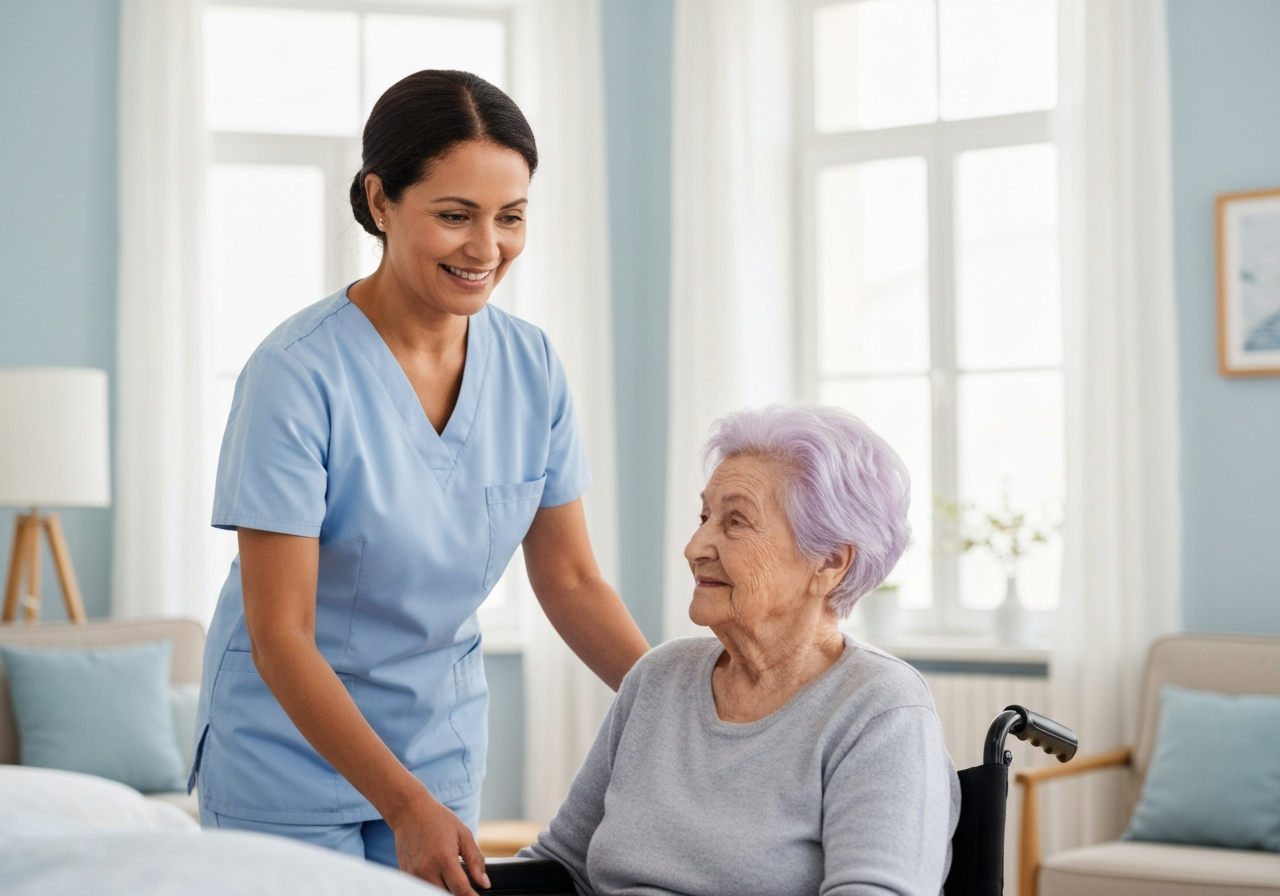
The concept of "home" carries a weight that transcends bricks and mortar. It is a repository of memories, a sanctuary of comfort, and the ultimate symbol of independence. As we age, the desire to remain in these familiar surroundings becomes increasingly important, yet the physical and cognitive challenges of aging can make independent living difficult. This is where in-home personal care offers a transformative solution.
1. The Psychological Power of Familiar Surroundings
One of the most significant benefits of in-home care is the preservation of a senior's environment. Moving to a residential facility is often a traumatic experience, characterized by a loss of control and the stress of adapting to a new, institutional routine. In contrast, staying at home allows individuals to maintain their daily rhythms, surrounded by their own possessions, pets, and neighbors. This continuity provides a profound sense of psychological safety and emotional stability that cannot be replicated in a clinical setting.
This continuity is especially critical for individuals dealing with early-stage cognitive decline or dementia. Familiar cues—the layout of the kitchen, the view from a favorite chair, the sound of the neighborhood—provide a sense of safety and orientation that can significantly reduce the anxiety and confusion often associated with memory loss. Removing a senior from these anchors often accelerates cognitive decline, while remaining at home can help preserve memory function for much longer.
2. Personalized, One-on-One Attention
In institutional settings, staff-to-resident ratios often mean that care is scheduled around the facility's needs, not the individual's. In-home care flips this model. A caregiver's sole focus is on the client they are serving at that moment. This means that care is provided on the senior's schedule—whether they prefer a late breakfast, an afternoon walk, or a specific bedtime routine. They are never rushed, and their preferences are always prioritized.
This one-on-one relationship fosters a deep bond of trust and companionship. Caregivers become more than just service providers; they become trusted friends who understand the client's unique personality, history, and preferences. This emotional connection is a vital component of holistic health that is often missing in larger care environments, where high staff turnover can prevent meaningful relationships from forming.
3. Promoting Independence and Dignity
A common misconception is that receiving care means losing independence. In reality, professional home care is designed to *support* independence. Caregivers assist with "Activities of Daily Living" (ADLs) such as bathing, dressing, and grooming, but they do so in a way that encourages the senior to do as much as they safely can for themselves. It's about enabling, not disabling.
By providing just the right amount of help, caregivers prevent the frustration and safety risks that come with struggling alone, while still allowing the senior to feel capable and in control of their life. This preservation of dignity is essential for mental health and self-esteem during the aging process. A senior who feels respected and capable is far more likely to remain engaged and active.
4. Enhanced Safety and Health Monitoring
Professional caregivers are trained observers. They are often the first to notice subtle changes in a senior's health or behavior that might indicate an underlying issue, such as a brewing urinary tract infection, a change in cognitive status, or side effects from a new medication. Early detection is often the key to preventing serious medical complications.
Furthermore, they serve as a constant check on home safety. They can identify and eliminate tripping hazards, ensure that medications are taken correctly and on time, and provide the physical support needed to prevent falls during high-risk activities like bathing. This proactive approach can prevent minor issues from escalating into major medical crises or hospitalizations.
5. Improved Nutrition and Physical Activity
Maintaining a healthy diet and staying active are two of the biggest challenges for seniors living alone. It's easy to fall into a routine of "tea and toast" or processed convenience foods when cooking feels like a chore. In-home caregivers can plan and prepare fresh, nutritious meals that cater to specific dietary needs (like low-sodium or diabetic-friendly diets), making healthy eating effortless and enjoyable.
Similarly, caregivers provide the motivation and safety oversight needed for regular physical activity. Whether it's a walk around the block, tending to a garden, or simple chair exercises, having a companion to encourage and assist makes staying active a regular, safe part of the day.
6. Respite for Family Caregivers
Perhaps one of the most overlooked benefits of professional home care is the relief it provides to family members. Spouses and adult children often take on the burden of caregiving out of love, but the physical and emotional toll can quickly lead to severe burnout. By bringing in a professional, family members can step back from the exhausting duties of a nurse or aide and return to being a loving daughter, son, or spouse. This preserves the family dynamic and ensures the senior receives care from a rested, patient professional.
7. Cost-Effectiveness and Flexibility
For many families, in-home care is a more financially sustainable option than residential care. Because the services are highly customizable, you only pay for the level of support actually needed. This might mean starting with just a few hours a week for help with errands and gradually increasing the care as needs change. This flexibility allows families to manage their resources effectively while ensuring their loved one is always safe and supported.
Expert Guidance and Local Support
For more comprehensive information on home health care standards, we recommend reviewing the guidelines provided by the Centers for Medicare & Medicaid Services (CMS). If you or a loved one need personalized assistance, our daily living assistance in Mequon and surrounding areas are designed to provide the highest quality of care tailored to your unique needs.
Conclusion
If you or a loved one could benefit from personalized in-home care services in the Greater Milwaukee area, our team at Med Group Home Health Care is here to guide you. We offer a range of customizable care plans designed to meet your unique needs and preserve your quality of life.